• 🚜 **Support Modern Farming with Reliable Irrigation Systems!**


    Efficient water management plays an important role in agriculture. Texmopipe provides drip irrigation solutions designed to meet modern farming and water distribution requirements.


    Explore solutions from a trusted drip irrigation system manufacturer and discover suitable products for your agricultural projects.


    📌 Visit our website to learn more!


    🔗 https://texmopipe.com/projects/drip-irrigation-systems/


    #DripIrrigationSystemManufacturers #Texmopipe #DripIrrigationSolutions #ModernAgriculture #WaterManagement
    🚜 **Support Modern Farming with Reliable Irrigation Systems!** Efficient water management plays an important role in agriculture. Texmopipe provides drip irrigation solutions designed to meet modern farming and water distribution requirements. Explore solutions from a trusted drip irrigation system manufacturer and discover suitable products for your agricultural projects. 📌 Visit our website to learn more! 🔗 https://texmopipe.com/projects/drip-irrigation-systems/ #DripIrrigationSystemManufacturers #Texmopipe #DripIrrigationSolutions #ModernAgriculture #WaterManagement
    0 Комментарии 0 Поделились 0 Отзывы
  • Thermoplastic Pipe Market: Advancing Durable and Corrosion-Resistant Piping Solutions
    Market insights


    The Thermoplastic Pipe Market is gaining momentum as industries increasingly adopt lightweight, flexible, and corrosion-resistant piping systems for demanding applications. Thermoplastic pipes offer several advantages over conventional metal piping, including lower weight, ease of installation, chemical resistance, and reduced maintenance requirements. Their growing use across oil and gas, water and wastewater management, chemical processing, mining, and infrastructure projects is supporting market development. As industries prioritize cost-effective and long-lasting pipeline solutions, thermoplastic pipes are becoming an attractive alternative for various fluid transportation requirements.
    Get More Info:
    https://www.datamarketanalysis.com/reports/thermoplastic-pipe-market-size-forecast
    Key Factors Driving Market Growth
    Increasing investments in pipeline infrastructure and industrial modernization are creating opportunities for thermoplastic pipe manufacturers. Corrosion resistance and lower lifecycle costs are important advantages, particularly in environments where traditional metal pipes may require frequent maintenance or replacement.


    The expansion of water distribution networks, wastewater treatment facilities, and oil and gas operations is also contributing to demand. Thermoplastic pipes are suitable for transporting different fluids under specific pressure and temperature conditions, making them useful across multiple industries.
    Material Innovations and Applications
    Common thermoplastic pipe materials include polyethylene (PE), high-density polyethylene (HDPE), polyvinyl chloride (PVC), polypropylene (PP), and other engineered polymers. Each material offers distinct properties related to flexibility, pressure handling, chemical resistance, and operating conditions.


    HDPE pipes are particularly valued for their flexibility, durability, and resistance to corrosion. They are widely used in water supply, gas distribution, irrigation, and industrial applications. Improvements in polymer formulations and pipe manufacturing technologies are further enhancing product performance and reliability.
    Emerging Opportunities and Industry Challenges
    Growing infrastructure development, urbanization, and the need to replace aging pipeline networks are creating new opportunities for the market. Manufacturers are also focusing on advanced joining techniques, improved material performance, and solutions designed for specialized industrial environments.


    However, raw material price fluctuations, installation requirements, temperature limitations, and competition from alternative piping materials may influence market expansion. Ensuring product quality and compliance with industry standards remains essential.
    Future Outlook
    The Thermoplastic Pipe Market is positioned for continued development as industries seek efficient, durable, and economical piping systems. Ongoing infrastructure investments and advancements in polymer technology are expected to strengthen demand across industrial and utility applications.


    Contact Information:


    DMA Intelligence
    Email: sales@trendvaultresearch.com
    Website: www.datamarketanalysis.com


    #ThermoplasticPipeMarket #ThermoplasticPipes #HDPEPipes #PipelineInfrastructure #OilAndGas #WaterManagement #IndustrialPiping #PolymerIndustry #MarketResearch #DMAIntelligence
    Thermoplastic Pipe Market: Advancing Durable and Corrosion-Resistant Piping Solutions Market insights The Thermoplastic Pipe Market is gaining momentum as industries increasingly adopt lightweight, flexible, and corrosion-resistant piping systems for demanding applications. Thermoplastic pipes offer several advantages over conventional metal piping, including lower weight, ease of installation, chemical resistance, and reduced maintenance requirements. Their growing use across oil and gas, water and wastewater management, chemical processing, mining, and infrastructure projects is supporting market development. As industries prioritize cost-effective and long-lasting pipeline solutions, thermoplastic pipes are becoming an attractive alternative for various fluid transportation requirements. Get More Info: https://www.datamarketanalysis.com/reports/thermoplastic-pipe-market-size-forecast Key Factors Driving Market Growth Increasing investments in pipeline infrastructure and industrial modernization are creating opportunities for thermoplastic pipe manufacturers. Corrosion resistance and lower lifecycle costs are important advantages, particularly in environments where traditional metal pipes may require frequent maintenance or replacement. The expansion of water distribution networks, wastewater treatment facilities, and oil and gas operations is also contributing to demand. Thermoplastic pipes are suitable for transporting different fluids under specific pressure and temperature conditions, making them useful across multiple industries. Material Innovations and Applications Common thermoplastic pipe materials include polyethylene (PE), high-density polyethylene (HDPE), polyvinyl chloride (PVC), polypropylene (PP), and other engineered polymers. Each material offers distinct properties related to flexibility, pressure handling, chemical resistance, and operating conditions. HDPE pipes are particularly valued for their flexibility, durability, and resistance to corrosion. They are widely used in water supply, gas distribution, irrigation, and industrial applications. Improvements in polymer formulations and pipe manufacturing technologies are further enhancing product performance and reliability. Emerging Opportunities and Industry Challenges Growing infrastructure development, urbanization, and the need to replace aging pipeline networks are creating new opportunities for the market. Manufacturers are also focusing on advanced joining techniques, improved material performance, and solutions designed for specialized industrial environments. However, raw material price fluctuations, installation requirements, temperature limitations, and competition from alternative piping materials may influence market expansion. Ensuring product quality and compliance with industry standards remains essential. Future Outlook The Thermoplastic Pipe Market is positioned for continued development as industries seek efficient, durable, and economical piping systems. Ongoing infrastructure investments and advancements in polymer technology are expected to strengthen demand across industrial and utility applications. Contact Information: DMA Intelligence Email: sales@trendvaultresearch.com Website: www.datamarketanalysis.com #ThermoplasticPipeMarket #ThermoplasticPipes #HDPEPipes #PipelineInfrastructure #OilAndGas #WaterManagement #IndustrialPiping #PolymerIndustry #MarketResearch #DMAIntelligence
    WWW.DATAMARKETANALYSIS.COM
    Thermoplastic Pipe Market Size: $4.19 Bn, 4.52% CAGR Growth | DMA Intelligence
    Discover the Thermoplastic Pipe market size. Valued at $4.19 Bn in 2025, this market is forecast to grow at 4.52% CAGR. Gain key insights & analysis.
    0 Комментарии 0 Поделились 0 Отзывы
  • Oil and Gas Water Management Services Market: Advancing Sustainable Resource and Wastewater Management
    Market insights


    The Oil and Gas Water Management Services Market is becoming increasingly important as energy companies focus on efficient water utilization, wastewater treatment, and environmentally responsible operations. Water plays a critical role throughout oil and gas activities, including drilling, hydraulic fracturing, production, and equipment maintenance. Managing the large volumes of water generated and consumed during these processes requires specialized technologies and services. Growing environmental awareness, regulatory requirements, and the need to optimize operational costs are supporting demand for integrated water management solutions.
    Get More Info:
    https://www.datamarketanalysis.com/reports/oil-gas-water-management-services-market-size-share-growth-forecast


    Growing Demand for Water Treatment and Recycling


    Oil and gas operations generate wastewater containing hydrocarbons, dissolved solids, chemicals, and other contaminants. Operators increasingly require advanced treatment systems to manage produced water and flowback fluids. Filtration, separation, desalination, and chemical treatment technologies help improve water quality and support safe reuse or disposal. Water recycling can reduce freshwater consumption and improve resource efficiency, particularly in water-intensive drilling regions.


    Expansion of Unconventional Oil and Gas Activities


    Hydraulic fracturing and horizontal drilling have increased the importance of water management across unconventional production operations. These activities require significant water volumes and generate wastewater that must be collected, transported, treated, and managed. Specialized service providers are developing integrated solutions to support water sourcing, storage, treatment, recycling, and disposal.


    Technological Advancements in Water Management


    Digital monitoring, automated treatment systems, advanced membrane technologies, and real-time water quality analysis are improving operational performance. These solutions help operators monitor water conditions, optimize treatment processes, and reduce unnecessary operating expenses. Innovative technologies are also supporting more effective management of complex wastewater streams.


    Market Opportunities and Challenges


    The market offers opportunities through stricter environmental standards, increased water reuse, unconventional resource development, and demand for integrated treatment services. However, high infrastructure costs, complex wastewater compositions, transportation challenges, and varying regulatory requirements may influence adoption. Service providers must balance treatment efficiency, cost-effectiveness, and environmental performance.


    Future Market Outlook


    The oil and gas water management services market is expected to benefit from increasing emphasis on sustainable operations and efficient resource utilization. As energy companies strengthen their environmental management strategies, demand for advanced treatment, recycling, and monitoring solutions will remain important. Companies offering reliable, scalable, and cost-efficient water management services will be well positioned to address evolving industry needs.


    Contact Information:


    DMA Intelligence


    Email: sales@trendvaultresearch.com


    Website: www.datamarketanalysis.com


    #OilAndGasWaterManagement #WaterTreatment #ProducedWater #WaterRecycling #OilfieldServices #SustainableEnergy #DMAIntelligence

    Oil and Gas Water Management Services Market: Advancing Sustainable Resource and Wastewater Management Market insights The Oil and Gas Water Management Services Market is becoming increasingly important as energy companies focus on efficient water utilization, wastewater treatment, and environmentally responsible operations. Water plays a critical role throughout oil and gas activities, including drilling, hydraulic fracturing, production, and equipment maintenance. Managing the large volumes of water generated and consumed during these processes requires specialized technologies and services. Growing environmental awareness, regulatory requirements, and the need to optimize operational costs are supporting demand for integrated water management solutions. Get More Info: https://www.datamarketanalysis.com/reports/oil-gas-water-management-services-market-size-share-growth-forecast Growing Demand for Water Treatment and Recycling Oil and gas operations generate wastewater containing hydrocarbons, dissolved solids, chemicals, and other contaminants. Operators increasingly require advanced treatment systems to manage produced water and flowback fluids. Filtration, separation, desalination, and chemical treatment technologies help improve water quality and support safe reuse or disposal. Water recycling can reduce freshwater consumption and improve resource efficiency, particularly in water-intensive drilling regions. Expansion of Unconventional Oil and Gas Activities Hydraulic fracturing and horizontal drilling have increased the importance of water management across unconventional production operations. These activities require significant water volumes and generate wastewater that must be collected, transported, treated, and managed. Specialized service providers are developing integrated solutions to support water sourcing, storage, treatment, recycling, and disposal. Technological Advancements in Water Management Digital monitoring, automated treatment systems, advanced membrane technologies, and real-time water quality analysis are improving operational performance. These solutions help operators monitor water conditions, optimize treatment processes, and reduce unnecessary operating expenses. Innovative technologies are also supporting more effective management of complex wastewater streams. Market Opportunities and Challenges The market offers opportunities through stricter environmental standards, increased water reuse, unconventional resource development, and demand for integrated treatment services. However, high infrastructure costs, complex wastewater compositions, transportation challenges, and varying regulatory requirements may influence adoption. Service providers must balance treatment efficiency, cost-effectiveness, and environmental performance. Future Market Outlook The oil and gas water management services market is expected to benefit from increasing emphasis on sustainable operations and efficient resource utilization. As energy companies strengthen their environmental management strategies, demand for advanced treatment, recycling, and monitoring solutions will remain important. Companies offering reliable, scalable, and cost-efficient water management services will be well positioned to address evolving industry needs. Contact Information: DMA Intelligence Email: sales@trendvaultresearch.com Website: www.datamarketanalysis.com #OilAndGasWaterManagement #WaterTreatment #ProducedWater #WaterRecycling #OilfieldServices #SustainableEnergy #DMAIntelligence

    WWW.DATAMARKETANALYSIS.COM
    Oil & Gas Water Management Market Size, Share & Growth Forecast | DMA Intelligence
    The Oil And Gas Water Management Services Market Size was $19.35B in 2025. Explore growth trends & forecast (2026-2031) with a 2.67% CAGR.
    0 Комментарии 0 Поделились 0 Отзывы
  • Reverse Osmosis Systems for Refineries Market


    Market Insights


    The Reverse Osmosis Systems for Refineries Market is witnessing steady growth as refineries increasingly focus on water conservation, operational efficiency, and environmental compliance. Reverse osmosis (RO) technology plays a crucial role in refinery water treatment processes by removing dissolved salts, contaminants, and impurities from water sources. Growing industrial demand for high-quality process water, coupled with stricter environmental regulations, is driving the adoption of advanced RO systems across refinery operations worldwide.


    Get More Info:
    https://www.datamarketanalysis.com/report/reverse-osmosis-systems-for-refineries-market-research-report-26275


    Market Overview


    Refineries require large volumes of purified water for various operational processes, making efficient water treatment solutions essential. Reverse osmosis systems help optimize water utilization, reduce wastewater discharge, and support sustainable refinery operations. As industries continue to prioritize resource efficiency and environmental responsibility, investments in advanced water treatment technologies are increasing significantly across the refining sector.


    Key Market Drivers


    • Growing Focus on Water Conservation
    Refineries are implementing advanced treatment technologies to maximize water reuse and reduce freshwater consumption.


    • Stringent Environmental Regulations
    Regulatory requirements related to wastewater management and industrial discharge are encouraging the adoption of reverse osmosis systems.


    • Rising Demand for High-Purity Water
    Refinery operations require consistent access to high-quality water to ensure process efficiency and equipment reliability.


    • Technological Advancements in Water Treatment
    Innovations in membrane technology and system design are improving RO performance, operational efficiency, and cost-effectiveness.


    Emerging Opportunities


    The market is benefiting from increasing investments in refinery modernization projects and sustainable industrial infrastructure. Opportunities are also emerging through the integration of smart monitoring systems, automation technologies, and energy-efficient water treatment solutions. Growing demand for zero-liquid-discharge and water recycling initiatives is expected to further support market expansion.


    Future Outlook


    The Reverse Osmosis Systems for Refineries Market is expected to experience sustained growth as water management becomes an increasingly important aspect of refinery operations. Advancements in membrane technologies, rising environmental awareness, and ongoing investments in industrial sustainability are likely to drive future market development. As refineries seek to improve efficiency and reduce environmental impact, reverse osmosis systems will remain a critical component of modern water treatment strategies.


    Key Points


    • Increasing adoption of advanced water treatment technologies
    • Growing emphasis on water conservation and reuse
    • Rising demand for high-purity process water
    • Strong regulatory support for wastewater management
    • Continuous advancements in membrane technology
    • Expanding opportunities in refinery modernization projects


    Contact Information


    DMA Intelligence


    📧 Email: sales@trendvaultresearch.com


    🌐 Website: www.datamarketanalysis.com


    #ReverseOsmosisSystemsForRefineriesMarket #ReverseOsmosis #WaterTreatment #RefineryIndustry #IndustrialWaterManagement #WaterConservation #SustainableIndustry #MembraneTechnology #MarketInsights #IndustrialInfrastructure
    Reverse Osmosis Systems for Refineries Market Market Insights The Reverse Osmosis Systems for Refineries Market is witnessing steady growth as refineries increasingly focus on water conservation, operational efficiency, and environmental compliance. Reverse osmosis (RO) technology plays a crucial role in refinery water treatment processes by removing dissolved salts, contaminants, and impurities from water sources. Growing industrial demand for high-quality process water, coupled with stricter environmental regulations, is driving the adoption of advanced RO systems across refinery operations worldwide. Get More Info: https://www.datamarketanalysis.com/report/reverse-osmosis-systems-for-refineries-market-research-report-26275 Market Overview Refineries require large volumes of purified water for various operational processes, making efficient water treatment solutions essential. Reverse osmosis systems help optimize water utilization, reduce wastewater discharge, and support sustainable refinery operations. As industries continue to prioritize resource efficiency and environmental responsibility, investments in advanced water treatment technologies are increasing significantly across the refining sector. Key Market Drivers • Growing Focus on Water Conservation Refineries are implementing advanced treatment technologies to maximize water reuse and reduce freshwater consumption. • Stringent Environmental Regulations Regulatory requirements related to wastewater management and industrial discharge are encouraging the adoption of reverse osmosis systems. • Rising Demand for High-Purity Water Refinery operations require consistent access to high-quality water to ensure process efficiency and equipment reliability. • Technological Advancements in Water Treatment Innovations in membrane technology and system design are improving RO performance, operational efficiency, and cost-effectiveness. Emerging Opportunities The market is benefiting from increasing investments in refinery modernization projects and sustainable industrial infrastructure. Opportunities are also emerging through the integration of smart monitoring systems, automation technologies, and energy-efficient water treatment solutions. Growing demand for zero-liquid-discharge and water recycling initiatives is expected to further support market expansion. Future Outlook The Reverse Osmosis Systems for Refineries Market is expected to experience sustained growth as water management becomes an increasingly important aspect of refinery operations. Advancements in membrane technologies, rising environmental awareness, and ongoing investments in industrial sustainability are likely to drive future market development. As refineries seek to improve efficiency and reduce environmental impact, reverse osmosis systems will remain a critical component of modern water treatment strategies. Key Points • Increasing adoption of advanced water treatment technologies • Growing emphasis on water conservation and reuse • Rising demand for high-purity process water • Strong regulatory support for wastewater management • Continuous advancements in membrane technology • Expanding opportunities in refinery modernization projects Contact Information DMA Intelligence 📧 Email: sales@trendvaultresearch.com 🌐 Website: www.datamarketanalysis.com #ReverseOsmosisSystemsForRefineriesMarket #ReverseOsmosis #WaterTreatment #RefineryIndustry #IndustrialWaterManagement #WaterConservation #SustainableIndustry #MembraneTechnology #MarketInsights #IndustrialInfrastructure
    WWW.DATAMARKETANALYSIS.COM
    Reverse Osmosis Systems for Refineries Market Research Report 2033 | DMA Intelligence
    According to our latest research, the global Reverse Osmosis Systems for Refineries market size reached USD 1.86 billion in 2024, reflecting a robust demand for advanced water treatment solutions within the refining sector.
    0 Комментарии 0 Поделились 0 Отзывы
  • Reverse Osmosis Systems for Refineries Market


    Market Insights


    The Reverse Osmosis Systems for Refineries Market is witnessing significant growth as refinery operators increasingly focus on water treatment efficiency, resource conservation, and sustainable operational practices. Reverse osmosis systems play a critical role in removing dissolved impurities, contaminants, and salts from water used in refinery processes. As industrial facilities seek to optimize water management and comply with evolving environmental standards, the adoption of advanced reverse osmosis technologies continues to expand across the refining sector.


    Get More Info: https://www.datamarketanalysis.com/report/reverse-osmosis-systems-for-refineries-market-research-report-26275


    Growing Focus on Efficient Water Management Solutions


    Refineries require large volumes of high-quality water for various operational processes, making efficient treatment technologies essential. Reverse osmosis systems help improve water recovery rates, reduce wastewater generation, and enhance overall process efficiency. As organizations prioritize operational sustainability and cost optimization, demand for reliable water purification solutions is expected to increase steadily.


    Key Points


    • Increasing emphasis on water conservation is driving market growth.


    • Growing refinery modernization projects are supporting technology adoption.


    • Reverse osmosis systems improve water quality and operational efficiency.


    • Rising focus on sustainable industrial operations is creating new opportunities.


    • Technological advancements in membrane systems are enhancing performance and reliability.


    Technological Advancements Supporting Market Development


    Manufacturers are investing in advanced membrane technologies, automation systems, and monitoring solutions to improve the efficiency and effectiveness of reverse osmosis operations. Innovations in filtration performance, energy management, and system integration are helping refineries achieve higher productivity while reducing operating costs. These advancements are strengthening the role of reverse osmosis systems in modern refinery water treatment infrastructure.


    Future Outlook


    The future of the Reverse Osmosis Systems for Refineries Market appears promising as industrial operators continue to invest in efficient water treatment and sustainability initiatives. Increasing demand for resource optimization, environmental stewardship, and advanced process technologies is expected to support long-term market growth. Industry participants are likely to focus on innovation, operational efficiency, and system reliability to strengthen their competitive position and capitalize on emerging opportunities.


    Contact Information:


    DMA Intelligence


    📧 Email: sales@trendvaultresearch.com


    🌐 Website: www.datamarketanalysis.com


    #ReverseOsmosisSystemsForRefineriesMarket #ReverseOsmosis #WaterTreatment #RefineryOperations #IndustrialWaterManagement #MembraneTechnology #Sustainability #ProcessEfficiency #MarketInsights #DMAIntelligence
    Reverse Osmosis Systems for Refineries Market Market Insights The Reverse Osmosis Systems for Refineries Market is witnessing significant growth as refinery operators increasingly focus on water treatment efficiency, resource conservation, and sustainable operational practices. Reverse osmosis systems play a critical role in removing dissolved impurities, contaminants, and salts from water used in refinery processes. As industrial facilities seek to optimize water management and comply with evolving environmental standards, the adoption of advanced reverse osmosis technologies continues to expand across the refining sector. Get More Info: https://www.datamarketanalysis.com/report/reverse-osmosis-systems-for-refineries-market-research-report-26275 Growing Focus on Efficient Water Management Solutions Refineries require large volumes of high-quality water for various operational processes, making efficient treatment technologies essential. Reverse osmosis systems help improve water recovery rates, reduce wastewater generation, and enhance overall process efficiency. As organizations prioritize operational sustainability and cost optimization, demand for reliable water purification solutions is expected to increase steadily. Key Points • Increasing emphasis on water conservation is driving market growth. • Growing refinery modernization projects are supporting technology adoption. • Reverse osmosis systems improve water quality and operational efficiency. • Rising focus on sustainable industrial operations is creating new opportunities. • Technological advancements in membrane systems are enhancing performance and reliability. Technological Advancements Supporting Market Development Manufacturers are investing in advanced membrane technologies, automation systems, and monitoring solutions to improve the efficiency and effectiveness of reverse osmosis operations. Innovations in filtration performance, energy management, and system integration are helping refineries achieve higher productivity while reducing operating costs. These advancements are strengthening the role of reverse osmosis systems in modern refinery water treatment infrastructure. Future Outlook The future of the Reverse Osmosis Systems for Refineries Market appears promising as industrial operators continue to invest in efficient water treatment and sustainability initiatives. Increasing demand for resource optimization, environmental stewardship, and advanced process technologies is expected to support long-term market growth. Industry participants are likely to focus on innovation, operational efficiency, and system reliability to strengthen their competitive position and capitalize on emerging opportunities. Contact Information: DMA Intelligence 📧 Email: sales@trendvaultresearch.com 🌐 Website: www.datamarketanalysis.com #ReverseOsmosisSystemsForRefineriesMarket #ReverseOsmosis #WaterTreatment #RefineryOperations #IndustrialWaterManagement #MembraneTechnology #Sustainability #ProcessEfficiency #MarketInsights #DMAIntelligence
    0 Комментарии 0 Поделились 0 Отзывы
  • Sewage as the need for efficient and mobile wastewater management solutions continues to rise. These vehicles are equipped with advanced suction and purification systems, enabling on-site sewage treatment without the need for fixed infrastructure. Their flexibility and effectiveness make them an essential solution for urban areas, construction sites, and remote locations.
    Get more info: https://www.trendvaultresearch.com/report/sewage-treatment-and-purification-vehicle-2175
    Market Drivers and Growth Factors
    Rapid urbanization and increasing population density are key factors driving the demand for sewage treatment vehicles. Governments and municipal bodies are focusing on improving sanitation infrastructure to manage rising wastewater levels. Additionally, growing environmental awareness and stricter regulations are encouraging industries to adopt advanced sewage management solutions.
    Technological Advancements
    Modern sewage treatment vehicles are designed with improved filtration and purification technologies that enhance efficiency and reduce environmental impact. Features such as automated controls, real-time monitoring, and energy-efficient systems are becoming standard, allowing operators to achieve better performance with lower operational costs.
    Applications and Market Segmentation
    The market is segmented based on application areas including municipal services, industrial wastewater management, construction sites, and emergency sanitation operations. These vehicles play a crucial role in areas where permanent sewage systems are unavailable or insufficient.
    Regional Insights
    Developed regions lead in adoption due to advanced infrastructure and strict environmental standards. Meanwhile, emerging economies are experiencing rapid growth as investments in sanitation and urban infrastructure increase.
    Challenges and Opportunities
    High initial investment and maintenance costs remain challenges for market growth. However, increasing focus on sustainable waste management and technological innovation is creating new opportunities for market expansion.
    Future Outlook
    The Sewage Treatment and Purification Vehicle Market is expected to grow steadily as demand for mobile, efficient, and eco-friendly wastewater solutions increases. Continuous advancements and expanding application areas will further strengthen the market’s future trajectory.
    Contact Information
    TrendVault Research
    Email: sales@trendvaultresearch.com
    Website: www.trendvaultresearch.com
    #WastewaterManagement #Sanitation #EnvironmentalSolutions #UrbanDevelopment #SustainableTech #IndustrialGrowth #MarketInsights #CleanTechnology
    Sewage as the need for efficient and mobile wastewater management solutions continues to rise. These vehicles are equipped with advanced suction and purification systems, enabling on-site sewage treatment without the need for fixed infrastructure. Their flexibility and effectiveness make them an essential solution for urban areas, construction sites, and remote locations. Get more info: https://www.trendvaultresearch.com/report/sewage-treatment-and-purification-vehicle-2175 Market Drivers and Growth Factors Rapid urbanization and increasing population density are key factors driving the demand for sewage treatment vehicles. Governments and municipal bodies are focusing on improving sanitation infrastructure to manage rising wastewater levels. Additionally, growing environmental awareness and stricter regulations are encouraging industries to adopt advanced sewage management solutions. Technological Advancements Modern sewage treatment vehicles are designed with improved filtration and purification technologies that enhance efficiency and reduce environmental impact. Features such as automated controls, real-time monitoring, and energy-efficient systems are becoming standard, allowing operators to achieve better performance with lower operational costs. Applications and Market Segmentation The market is segmented based on application areas including municipal services, industrial wastewater management, construction sites, and emergency sanitation operations. These vehicles play a crucial role in areas where permanent sewage systems are unavailable or insufficient. Regional Insights Developed regions lead in adoption due to advanced infrastructure and strict environmental standards. Meanwhile, emerging economies are experiencing rapid growth as investments in sanitation and urban infrastructure increase. Challenges and Opportunities High initial investment and maintenance costs remain challenges for market growth. However, increasing focus on sustainable waste management and technological innovation is creating new opportunities for market expansion. Future Outlook The Sewage Treatment and Purification Vehicle Market is expected to grow steadily as demand for mobile, efficient, and eco-friendly wastewater solutions increases. Continuous advancements and expanding application areas will further strengthen the market’s future trajectory. Contact Information TrendVault Research Email: sales@trendvaultresearch.com Website: www.trendvaultresearch.com #WastewaterManagement #Sanitation #EnvironmentalSolutions #UrbanDevelopment #SustainableTech #IndustrialGrowth #MarketInsights #CleanTechnology
    WWW.TRENDVAULTRESEARCH.COM
    Sewage Treatment and Purification Vehicle Market Dynamics & Forecast Analysis 2033 | Market Research Report
    Discover the booming market for sewage treatment and purification vehicles! Learn about key drivers, trends, and leading companies shaping this $5 billion industry. Explore market size projections, regional analysis, and growth opportunities in this essential sector for wastewater management.
    0 Комментарии 0 Поделились 0 Отзывы
  • Potable Water Truck Market

    market insights

    The Potable Water Truck Market is gaining strong momentum globally as the demand for safe and reliable drinking water transportation continues to rise across urban, industrial, and remote regions. Potable water trucks are specialized vehicles designed with hygienic storage tanks and distribution systems that ensure clean water delivery for municipal supply, construction sites, mining operations, agriculture, and emergency relief activities. Their ability to deliver safe drinking water in areas with limited infrastructure makes them an essential part of modern water management systems.

    Get more info: https://www.trendvaultresearch.com/report/potable-water-truck-793

    The market is experiencing steady growth driven by rapid urbanization, increasing water scarcity, and rising infrastructure development activities. Expanding construction and mining projects, especially in remote locations, are significantly boosting the demand for mobile water supply solutions. Additionally, government initiatives focused on improving rural water access and disaster preparedness are further supporting market expansion.

    Another key growth factor is the increasing frequency of natural disasters such as floods, droughts, and wildfires, which create urgent demand for emergency potable water distribution. These trucks play a crucial role in humanitarian aid operations by ensuring uninterrupted access to clean water in affected regions. The growing awareness of waterborne diseases and the importance of safe drinking water is also pushing municipalities and industries to adopt advanced potable water delivery systems.

    Technological advancements are further enhancing market growth. Modern potable water trucks are now equipped with improved tank materials, advanced filtration systems, GPS tracking, and efficient pumping mechanisms to ensure water safety and operational efficiency. However, challenges such as high initial investment costs, maintenance requirements, and regulatory compliance regarding water quality still impact widespread adoption.

    Looking ahead, the Potable Water Truck Market is expected to witness sustained expansion as global water demand continues to rise and governments invest heavily in water infrastructure. Increasing focus on sustainability, smart water management, and emergency preparedness will further strengthen the role of potable water trucks in the global supply chain.

    Contact Information:
    TrendVault Research
    Email: sales@trendvaultresearch.com

    Website: www.trendvaultresearch.com

    #PotableWaterTruck #WaterSupply #CleanWater #WaterManagement #InfrastructureGrowth #MunicipalServices #ConstructionIndustry #MiningSupport #EmergencyRelief #SustainableWaterSolutions
    Potable Water Truck Market market insights The Potable Water Truck Market is gaining strong momentum globally as the demand for safe and reliable drinking water transportation continues to rise across urban, industrial, and remote regions. Potable water trucks are specialized vehicles designed with hygienic storage tanks and distribution systems that ensure clean water delivery for municipal supply, construction sites, mining operations, agriculture, and emergency relief activities. Their ability to deliver safe drinking water in areas with limited infrastructure makes them an essential part of modern water management systems. Get more info: https://www.trendvaultresearch.com/report/potable-water-truck-793 The market is experiencing steady growth driven by rapid urbanization, increasing water scarcity, and rising infrastructure development activities. Expanding construction and mining projects, especially in remote locations, are significantly boosting the demand for mobile water supply solutions. Additionally, government initiatives focused on improving rural water access and disaster preparedness are further supporting market expansion. Another key growth factor is the increasing frequency of natural disasters such as floods, droughts, and wildfires, which create urgent demand for emergency potable water distribution. These trucks play a crucial role in humanitarian aid operations by ensuring uninterrupted access to clean water in affected regions. The growing awareness of waterborne diseases and the importance of safe drinking water is also pushing municipalities and industries to adopt advanced potable water delivery systems. Technological advancements are further enhancing market growth. Modern potable water trucks are now equipped with improved tank materials, advanced filtration systems, GPS tracking, and efficient pumping mechanisms to ensure water safety and operational efficiency. However, challenges such as high initial investment costs, maintenance requirements, and regulatory compliance regarding water quality still impact widespread adoption. Looking ahead, the Potable Water Truck Market is expected to witness sustained expansion as global water demand continues to rise and governments invest heavily in water infrastructure. Increasing focus on sustainability, smart water management, and emergency preparedness will further strengthen the role of potable water trucks in the global supply chain. Contact Information: TrendVault Research Email: sales@trendvaultresearch.com Website: www.trendvaultresearch.com #PotableWaterTruck #WaterSupply #CleanWater #WaterManagement #InfrastructureGrowth #MunicipalServices #ConstructionIndustry #MiningSupport #EmergencyRelief #SustainableWaterSolutions
    WWW.TRENDVAULTRESEARCH.COM
    Potable Water Truck - 2025-2033 Trends: Unveiling Growth Opportunities and Competitor Dynamics | Market Research Report
    Discover the booming potable water truck market! This comprehensive analysis reveals key trends, growth drivers, and leading companies shaping the future of water delivery. Learn about market size projections, regional variations, and the challenges impacting this vital sector.
    0 Комментарии 0 Поделились 0 Отзывы
  • Grease Removal Equipment Market: Trends, Growth Drivers, and Future Opportunities

    Market Insights

    The Grease Removal Equipment Market is gaining strong momentum as industries across food service, manufacturing, and commercial facilities prioritize cleanliness, regulatory compliance, and operational efficiency. Grease buildup in kitchens, drains, and processing areas poses serious health risks and maintenance challenges, making reliable grease removal equipment essential for safe and hygienic operations.

    Get more info: https://www.trendvaultresearch.com/report/grease-removal-equipment-604

    Grease removal equipment includes a wide range of products such as grease traps, skimmers, interceptors, and automated cleaning systems that capture, separate, and dispose of grease from wastewater and surfaces. With increasing emphasis on environmental protection and wastewater management, businesses are turning to advanced grease removal solutions that help prevent blockages, reduce maintenance costs, and comply with stringent sanitation standards.

    Growth Drivers

    Several key factors are driving growth in the grease removal equipment market. One major driver is the rapid expansion of the food service industry worldwide. Restaurants, hotels, and commercial kitchens generate significant amounts of grease waste daily, creating strong demand for effective removal systems. As consumer expectations for hygiene and cleanliness rise, facility owners are investing in high‑performance equipment that ensures uninterrupted operations.

    Regulatory requirements are another important factor shaping the market. Governments and local authorities are increasingly enforcing strict guidelines to manage grease disposal and protect sewer systems. This has encouraged businesses to adopt certified grease removal systems that not only meet compliance requirements but also minimize environmental impact.

    Technological advancements are enhancing equipment efficiency and usability. Modern grease removal solutions feature automated monitoring, energy‑efficient designs, and user‑friendly interfaces that simplify maintenance and reduce labor costs. These innovations help businesses optimize operational workflows and prolong the service life of critical infrastructure.

    Future Outlook

    The future of the grease removal equipment market looks promising as industries continue to prioritize sustainability and operational excellence. Businesses that integrate advanced technologies, durability, and cost‑effective solutions are likely to lead the market. Additionally, rising awareness of environmental standards and maintenance best practices will fuel demand for innovative grease removal systems across sectors.

    As facilities strive to maintain high standards of hygiene, safety, and regulatory compliance, grease removal equipment will remain a vital investment. The market’s growth will be driven by innovation, performance reliability, and strong adoption across commercial and industrial applications.

    Contact Information:
    TrendVault Research
    Email: sales@trendvaultresearch.com

    Website: www.trendvaultresearch.com

    #GreaseRemovalEquipment #WastewaterManagement #CommercialKitchenHygiene #IndustrialMaintenance #SanitationSolutions #MarketGrowth #TrendVaultResearch #CleanTechInnovation #EnvironmentalCompliance
    Grease Removal Equipment Market: Trends, Growth Drivers, and Future Opportunities Market Insights The Grease Removal Equipment Market is gaining strong momentum as industries across food service, manufacturing, and commercial facilities prioritize cleanliness, regulatory compliance, and operational efficiency. Grease buildup in kitchens, drains, and processing areas poses serious health risks and maintenance challenges, making reliable grease removal equipment essential for safe and hygienic operations. Get more info: https://www.trendvaultresearch.com/report/grease-removal-equipment-604 Grease removal equipment includes a wide range of products such as grease traps, skimmers, interceptors, and automated cleaning systems that capture, separate, and dispose of grease from wastewater and surfaces. With increasing emphasis on environmental protection and wastewater management, businesses are turning to advanced grease removal solutions that help prevent blockages, reduce maintenance costs, and comply with stringent sanitation standards. Growth Drivers Several key factors are driving growth in the grease removal equipment market. One major driver is the rapid expansion of the food service industry worldwide. Restaurants, hotels, and commercial kitchens generate significant amounts of grease waste daily, creating strong demand for effective removal systems. As consumer expectations for hygiene and cleanliness rise, facility owners are investing in high‑performance equipment that ensures uninterrupted operations. Regulatory requirements are another important factor shaping the market. Governments and local authorities are increasingly enforcing strict guidelines to manage grease disposal and protect sewer systems. This has encouraged businesses to adopt certified grease removal systems that not only meet compliance requirements but also minimize environmental impact. Technological advancements are enhancing equipment efficiency and usability. Modern grease removal solutions feature automated monitoring, energy‑efficient designs, and user‑friendly interfaces that simplify maintenance and reduce labor costs. These innovations help businesses optimize operational workflows and prolong the service life of critical infrastructure. Future Outlook The future of the grease removal equipment market looks promising as industries continue to prioritize sustainability and operational excellence. Businesses that integrate advanced technologies, durability, and cost‑effective solutions are likely to lead the market. Additionally, rising awareness of environmental standards and maintenance best practices will fuel demand for innovative grease removal systems across sectors. As facilities strive to maintain high standards of hygiene, safety, and regulatory compliance, grease removal equipment will remain a vital investment. The market’s growth will be driven by innovation, performance reliability, and strong adoption across commercial and industrial applications. Contact Information: TrendVault Research Email: sales@trendvaultresearch.com Website: www.trendvaultresearch.com #GreaseRemovalEquipment #WastewaterManagement #CommercialKitchenHygiene #IndustrialMaintenance #SanitationSolutions #MarketGrowth #TrendVaultResearch #CleanTechInnovation #EnvironmentalCompliance
    WWW.TRENDVAULTRESEARCH.COM
    Grease Removal Equipment Market Dynamics: Drivers and Barriers to Growth 2025-2033 | Market Research Report
    Discover the booming grease removal equipment market! Our in-depth analysis reveals a $500 million market in 2025, projected to reach $850 million by 2033 at a 7% CAGR. Learn about key drivers, trends, and leading companies shaping this vital industry.
    0 Комментарии 0 Поделились 0 Отзывы
  • Ideas to Get Reliable Wastewater Lift Station Clog Solutions

    Identify the proper and efficient wastewater lift station lift block remedies through a smart and automated pump framework and enhanced monitoring. Discover how predictive maintenance and new technology might stop blockages, reduce downtime, and enhance efficiency of the system in the long-term performance. Maintain your wastewater systems in an environmentally friendly manner.
    Read more: https://mitsubishielectricautomation.notion.site/Ideas-to-Get-Reliable-Wastewater-Lift-Station-Clog-Solutions-29ce092eed2d80c48805db97de7af628

    #liftstationsolutions #wastewatermanagement
    Ideas to Get Reliable Wastewater Lift Station Clog Solutions Identify the proper and efficient wastewater lift station lift block remedies through a smart and automated pump framework and enhanced monitoring. Discover how predictive maintenance and new technology might stop blockages, reduce downtime, and enhance efficiency of the system in the long-term performance. Maintain your wastewater systems in an environmentally friendly manner. Read more: https://mitsubishielectricautomation.notion.site/Ideas-to-Get-Reliable-Wastewater-Lift-Station-Clog-Solutions-29ce092eed2d80c48805db97de7af628 #liftstationsolutions #wastewatermanagement
    MITSUBISHIELECTRICAUTOMATION.NOTION.SITE
    The AI workspace that works for you. | Notion
    A tool that connects everyday work into one space. It gives you and your teams AI tools—search, writing, note-taking—inside an all-in-one, flexible workspace.
    Like
    1
    0 Комментарии 0 Поделились 0 Отзывы
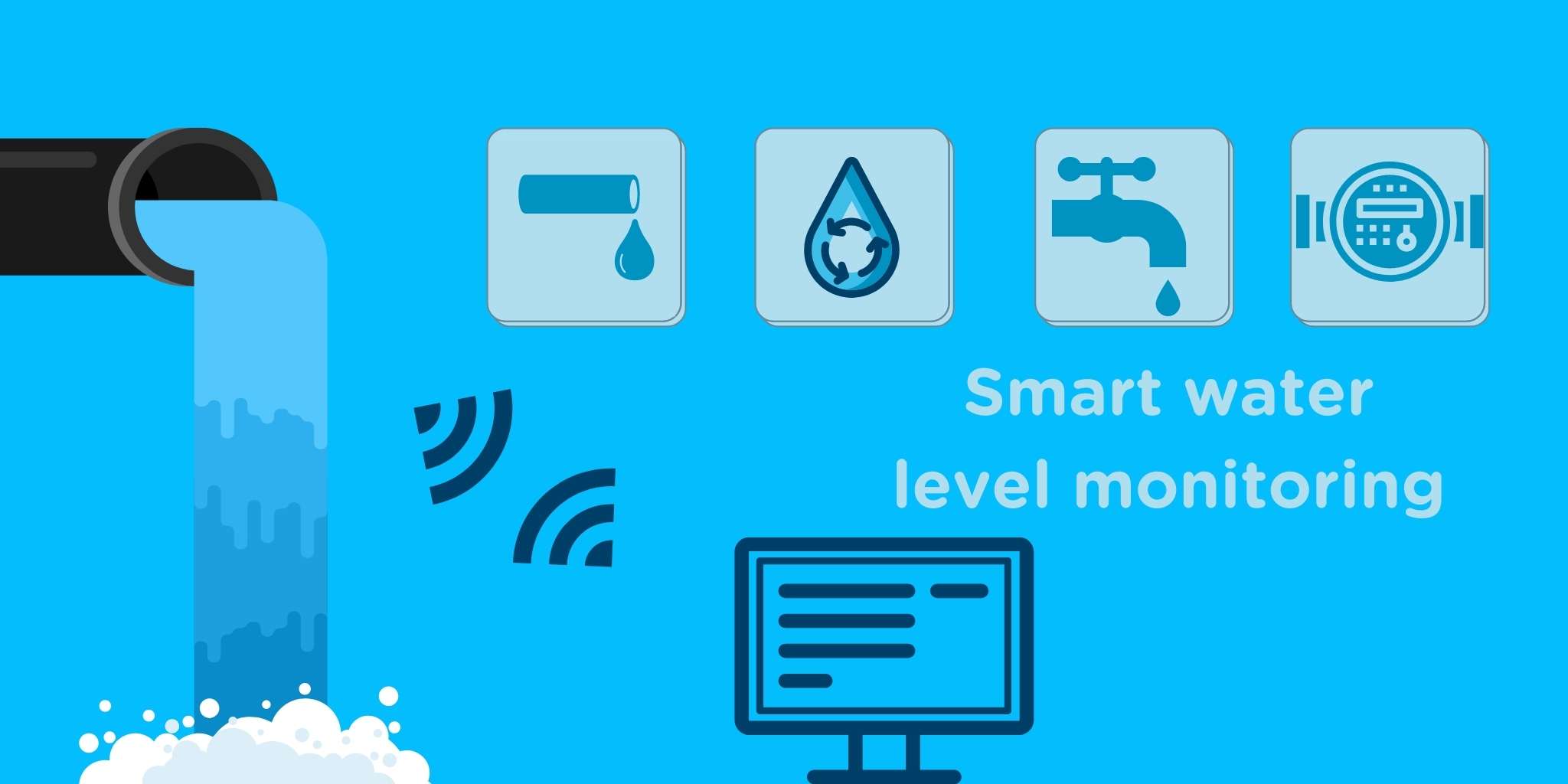
  • IoT Device Monitoring for Water-Level Systems | KarIoT – Real-time Visibility & Control

    Gain instant insights into tank and reservoir levels with KarIoT’s IoT device monitoring solution. Track water levels remotely, receive alerts on critical thresholds and ensure uninterrupted operations all from a unified platform.

    visit: https://www.karikala.in/blog/water-level-monitoring-system/

    #IoTDeviceMonitoring #SmartWaterMonitoring #IoTWaterManagement #WaterLevelMonitoring #IoTSolutions #RealTimeMonitoring #SmartTechnology #IoTDevices #RemoteMonitoring #IoTInnovation #ConnectedDevices #IoTAnalytics #SmartSystems #WaterManagementSystem #KarIoT
    IoT Device Monitoring for Water-Level Systems | KarIoT – Real-time Visibility & Control Gain instant insights into tank and reservoir levels with KarIoT’s IoT device monitoring solution. Track water levels remotely, receive alerts on critical thresholds and ensure uninterrupted operations all from a unified platform. visit: https://www.karikala.in/blog/water-level-monitoring-system/ #IoTDeviceMonitoring #SmartWaterMonitoring #IoTWaterManagement #WaterLevelMonitoring #IoTSolutions #RealTimeMonitoring #SmartTechnology #IoTDevices #RemoteMonitoring #IoTInnovation #ConnectedDevices #IoTAnalytics #SmartSystems #WaterManagementSystem #KarIoT
    WWW.KARIKALA.IN
    The Functionality of the smart water level monitoring system - KarIoT
    KarIoT is a smart water level monitoring system that creates a detailed and minute-to-minute graph of your water tank and fluid tank consumption.
    0 Комментарии 0 Поделились 0 Отзывы
More Results
Реклама
VintFint https://vintfint.com