


• Wind Power Equipment Market: Growth Drivers, Industry Trends, and Future Outlook


    Market insights


    The Wind Power Equipment Market is experiencing growing interest as countries and energy companies increase investments in renewable electricity generation. Wind power equipment includes essential components such as wind turbine blades, nacelles, generators, towers, gearboxes, control systems, and electrical infrastructure. These components work together to convert wind energy into usable electricity. Growing demand for clean energy, expanding wind farm installations, and technological advancements are creating opportunities for equipment manufacturers and suppliers.


    Get More Info:
    https://www.datamarketanalysis.com/reports/wind-power-equipment-market-size-forecast


    Key Factors Driving Market Growth


    Several factors are supporting the development of the wind power equipment market:


    Increasing renewable energy investments: Government initiatives, clean energy targets, and private-sector funding are encouraging the development of wind power projects.


    Expansion of onshore and offshore wind farms: New installations are increasing demand for turbines, electrical systems, and supporting equipment.


    Rising electricity demand: Industrialization, urban development, and infrastructure expansion are creating additional requirements for electricity generation.


    Technological advancements: Improvements in turbine capacity, blade design, and generator efficiency are supporting better wind energy production.


    Focus on energy security: Countries are diversifying their energy sources to strengthen electricity supply and reduce dependence on conventional fuels.


    Technology Advancements and Industry Trends


    Manufacturers are focusing on larger turbine designs, lightweight composite materials, improved gearboxes, and high-efficiency generators. These developments help improve energy capture and support reliable turbine operation under different wind conditions.


    Offshore wind technology is creating additional opportunities for advanced equipment designed to withstand challenging marine environments. Floating wind turbine systems are also attracting attention because they can support installations in deeper waters where conventional fixed foundations may not be suitable.


    Digital monitoring, predictive maintenance, and automated control systems are helping wind farm operators improve equipment performance and reduce operational downtime.


    Competitive Landscape and Future Opportunities


    Market participants compete through engineering capabilities, product durability, manufacturing efficiency, technological innovation, and maintenance support. Companies offering integrated equipment solutions for different turbine capacities and project requirements can strengthen their market position.


    Looking ahead, the wind power equipment market is expected to benefit from continued renewable energy expansion, offshore project development, and investments in advanced turbine technologies. Innovation in equipment efficiency, reliability, and sustainable manufacturing will remain important to future industry growth.


    Contact Information:
    DMA Intelligence
    Email: sales@trendvaultresearch.com
    Website: www.datamarketanalysis.com


    #WindPowerEquipmentMarket #WindEnergy #WindPower #RenewableEnergy #OffshoreWind #CleanEnergyTechnology #DMAIntelligence
    Wind Power Equipment Market: Growth Drivers, Industry Trends, and Future Outlook Market insights The Wind Power Equipment Market is experiencing growing interest as countries and energy companies increase investments in renewable electricity generation. Wind power equipment includes essential components such as wind turbine blades, nacelles, generators, towers, gearboxes, control systems, and electrical infrastructure. These components work together to convert wind energy into usable electricity. Growing demand for clean energy, expanding wind farm installations, and technological advancements are creating opportunities for equipment manufacturers and suppliers. Get More Info: https://www.datamarketanalysis.com/reports/wind-power-equipment-market-size-forecast Key Factors Driving Market Growth Several factors are supporting the development of the wind power equipment market: Increasing renewable energy investments: Government initiatives, clean energy targets, and private-sector funding are encouraging the development of wind power projects. Expansion of onshore and offshore wind farms: New installations are increasing demand for turbines, electrical systems, and supporting equipment. Rising electricity demand: Industrialization, urban development, and infrastructure expansion are creating additional requirements for electricity generation. Technological advancements: Improvements in turbine capacity, blade design, and generator efficiency are supporting better wind energy production. Focus on energy security: Countries are diversifying their energy sources to strengthen electricity supply and reduce dependence on conventional fuels. Technology Advancements and Industry Trends Manufacturers are focusing on larger turbine designs, lightweight composite materials, improved gearboxes, and high-efficiency generators. These developments help improve energy capture and support reliable turbine operation under different wind conditions. Offshore wind technology is creating additional opportunities for advanced equipment designed to withstand challenging marine environments. Floating wind turbine systems are also attracting attention because they can support installations in deeper waters where conventional fixed foundations may not be suitable. Digital monitoring, predictive maintenance, and automated control systems are helping wind farm operators improve equipment performance and reduce operational downtime. Competitive Landscape and Future Opportunities Market participants compete through engineering capabilities, product durability, manufacturing efficiency, technological innovation, and maintenance support. Companies offering integrated equipment solutions for different turbine capacities and project requirements can strengthen their market position. Looking ahead, the wind power equipment market is expected to benefit from continued renewable energy expansion, offshore project development, and investments in advanced turbine technologies. Innovation in equipment efficiency, reliability, and sustainable manufacturing will remain important to future industry growth. Contact Information: DMA Intelligence Email: sales@trendvaultresearch.com Website: www.datamarketanalysis.com #WindPowerEquipmentMarket #WindEnergy #WindPower #RenewableEnergy #OffshoreWind #CleanEnergyTechnology #DMAIntelligence
    WWW.DATAMARKETANALYSIS.COM
    Wind Power Equipment Market Size, Growth & Forecast 2025 | DMA Intelligence
    Explore the Wind Power Equipment market size. Our report forecasts significant growth from base year 2025, reaching [Market Size] with a [CAGR]% CAGR. Get insights into trends & future outlook.
    0 Комментарии 0 Поделились 0 Отзывы
  • Power Quality Equipment Market: Growth Drivers, Technology Trends, and Future Outlook


    Market insights


    The Power Quality Equipment Market is becoming increasingly important as industries, commercial establishments, and utilities seek stable and reliable electricity supply. Power quality equipment helps protect electrical systems from voltage fluctuations, harmonics, power surges, interruptions, and other disturbances that can affect equipment performance. With growing dependence on sensitive electronic devices, automated industrial processes, and digital infrastructure, demand for advanced power quality solutions continues to increase.


    Get More Info:
    https://www.datamarketanalysis.com/reports/power-quality-equipment-market-size-forecast


    Key Factors Driving Market Growth


    Several factors are supporting the development of the power quality equipment market:


    Increasing industrial automation: Manufacturing facilities rely on sensitive machinery and electronic control systems that require stable electricity to maintain productivity.


    Expansion of data centers: Cloud computing, artificial intelligence, and digital services require reliable power infrastructure to prevent operational disruptions.


    Growing electricity consumption: Urbanization, commercial development, and industrial expansion are increasing the complexity of electrical distribution networks.


    Renewable energy integration: Solar and wind power installations create new power management requirements, increasing the importance of voltage regulation and grid stability.


    Protection of sensitive equipment: Businesses are investing in power quality solutions to reduce equipment damage, downtime, and maintenance expenses.


    Technology Advancements and Industry Trends


    The market includes solutions such as uninterruptible power supply (UPS) systems, voltage regulators, surge protection devices, harmonic filters, power conditioners, and static VAR compensators.


    Smart power monitoring is becoming an important trend. Advanced monitoring systems help users identify electrical disturbances, analyze power consumption, and detect potential problems before they affect operations.


    Manufacturers are also developing compact, energy-efficient, and digitally connected equipment. Active harmonic filters and advanced power correction technologies are gaining attention as industries adopt increasingly sophisticated electrical systems.


    Competitive Landscape and Future Opportunities


    Market participants compete through product reliability, technical performance, customization, energy efficiency, and after-sales support. Companies providing integrated power quality solutions for industrial facilities, commercial buildings, healthcare institutions, and data centers can address diverse customer requirements.


    Looking ahead, the power quality equipment market is expected to benefit from digital infrastructure expansion, industrial modernization, renewable energy integration, and increasing demand for reliable electricity. Continued innovation in monitoring, protection, and power conditioning technologies will create opportunities for industry participants.


    Contact Information:
    DMA Intelligence
    Email: sales@trendvaultresearch.com
    Website: www.datamarketanalysis.com


    #PowerQualityEquipmentMarket #PowerQuality #ElectricalInfrastructure #PowerManagement #IndustrialAutomation #EnergyTechnology #DMAIntelligence
    Power Quality Equipment Market: Growth Drivers, Technology Trends, and Future Outlook Market insights The Power Quality Equipment Market is becoming increasingly important as industries, commercial establishments, and utilities seek stable and reliable electricity supply. Power quality equipment helps protect electrical systems from voltage fluctuations, harmonics, power surges, interruptions, and other disturbances that can affect equipment performance. With growing dependence on sensitive electronic devices, automated industrial processes, and digital infrastructure, demand for advanced power quality solutions continues to increase. Get More Info: https://www.datamarketanalysis.com/reports/power-quality-equipment-market-size-forecast Key Factors Driving Market Growth Several factors are supporting the development of the power quality equipment market: Increasing industrial automation: Manufacturing facilities rely on sensitive machinery and electronic control systems that require stable electricity to maintain productivity. Expansion of data centers: Cloud computing, artificial intelligence, and digital services require reliable power infrastructure to prevent operational disruptions. Growing electricity consumption: Urbanization, commercial development, and industrial expansion are increasing the complexity of electrical distribution networks. Renewable energy integration: Solar and wind power installations create new power management requirements, increasing the importance of voltage regulation and grid stability. Protection of sensitive equipment: Businesses are investing in power quality solutions to reduce equipment damage, downtime, and maintenance expenses. Technology Advancements and Industry Trends The market includes solutions such as uninterruptible power supply (UPS) systems, voltage regulators, surge protection devices, harmonic filters, power conditioners, and static VAR compensators. Smart power monitoring is becoming an important trend. Advanced monitoring systems help users identify electrical disturbances, analyze power consumption, and detect potential problems before they affect operations. Manufacturers are also developing compact, energy-efficient, and digitally connected equipment. Active harmonic filters and advanced power correction technologies are gaining attention as industries adopt increasingly sophisticated electrical systems. Competitive Landscape and Future Opportunities Market participants compete through product reliability, technical performance, customization, energy efficiency, and after-sales support. Companies providing integrated power quality solutions for industrial facilities, commercial buildings, healthcare institutions, and data centers can address diverse customer requirements. Looking ahead, the power quality equipment market is expected to benefit from digital infrastructure expansion, industrial modernization, renewable energy integration, and increasing demand for reliable electricity. Continued innovation in monitoring, protection, and power conditioning technologies will create opportunities for industry participants. Contact Information: DMA Intelligence Email: sales@trendvaultresearch.com Website: www.datamarketanalysis.com #PowerQualityEquipmentMarket #PowerQuality #ElectricalInfrastructure #PowerManagement #IndustrialAutomation #EnergyTechnology #DMAIntelligence
    WWW.DATAMARKETANALYSIS.COM
    Power Quality Equipment Market Size | 6.83% CAGR Forecast | DMA Intelligence
    Power Quality Equipment market size analysis reveals a 20.3 Bn USD valuation in 2025. Witness robust growth with a 6.83% CAGR forecast. Understand key trends & opportunities.
    0 Комментарии 0 Поделились 0 Отзывы
  • Wind Turbine Nacelle Market: Growth Drivers, Industry Trends, and Future Outlook


    Market insights


    The Wind Turbine Nacelle Market is an important part of the global wind energy industry, supporting the development and operation of efficient wind power systems. The nacelle is the housing structure positioned at the top of a wind turbine tower. It contains essential components such as the gearbox, generator, drivetrain, braking system, and control equipment. As countries increase investments in renewable energy and expand wind power capacity, demand for advanced and reliable nacelle solutions continues to grow.


    Get More Info:
    https://www.datamarketanalysis.com/reports/wind-turbine-nacelle-market-size-forecast


    Key Factors Driving Market Growth


    Several factors are contributing to the development of the wind turbine nacelle market:


    Expansion of wind energy capacity: Increasing installation of onshore and offshore wind farms is generating demand for complete turbine systems and nacelle components.


    Renewable energy investments: Government initiatives, clean energy targets, and private-sector investments are encouraging wind power development.


    Growing offshore wind projects: Offshore installations require durable nacelle systems capable of operating in challenging marine environments.


    Demand for efficient power generation: Wind turbine manufacturers are focusing on improving energy output, reliability, and operational performance.


    Technological advancements: Innovations in turbine design and component engineering are creating opportunities for advanced nacelle solutions.


    Technology Advancements and Industry Trends


    Manufacturers are investing in lightweight materials, improved drivetrain configurations, advanced cooling systems, and digital monitoring technologies. These developments help improve turbine efficiency while supporting reliable operation under varying wind conditions.


    Larger wind turbines are also influencing nacelle design. As turbine capacity increases, nacelles must accommodate more powerful generators and sophisticated mechanical and electrical components. Modular designs and improved maintenance accessibility are becoming important considerations.


    Digital monitoring and predictive maintenance technologies are helping wind farm operators identify potential equipment issues and reduce unplanned downtime.


    Competitive Landscape and Future Opportunities


    Market participants compete through engineering capabilities, component reliability, manufacturing capacity, product innovation, and maintenance support. Companies capable of supplying customized nacelle systems for different turbine capacities and operating environments can address evolving industry requirements.


    Looking ahead, the wind turbine nacelle market is expected to benefit from continued onshore and offshore wind development. Investments in larger turbines, efficient drivetrain technologies, and advanced monitoring systems will create further opportunities for manufacturers and component suppliers.


    Contact Information:
    DMA Intelligence
    Email: sales@trendvaultresearch.com
    Website: www.datamarketanalysis.com


    #WindTurbineNacelleMarket #WindEnergy #WindPower #RenewableEnergy #OffshoreWind #CleanEnergyTechnology #DMAIntelligence

    Wind Turbine Nacelle Market: Growth Drivers, Industry Trends, and Future Outlook Market insights The Wind Turbine Nacelle Market is an important part of the global wind energy industry, supporting the development and operation of efficient wind power systems. The nacelle is the housing structure positioned at the top of a wind turbine tower. It contains essential components such as the gearbox, generator, drivetrain, braking system, and control equipment. As countries increase investments in renewable energy and expand wind power capacity, demand for advanced and reliable nacelle solutions continues to grow. Get More Info: https://www.datamarketanalysis.com/reports/wind-turbine-nacelle-market-size-forecast Key Factors Driving Market Growth Several factors are contributing to the development of the wind turbine nacelle market: Expansion of wind energy capacity: Increasing installation of onshore and offshore wind farms is generating demand for complete turbine systems and nacelle components. Renewable energy investments: Government initiatives, clean energy targets, and private-sector investments are encouraging wind power development. Growing offshore wind projects: Offshore installations require durable nacelle systems capable of operating in challenging marine environments. Demand for efficient power generation: Wind turbine manufacturers are focusing on improving energy output, reliability, and operational performance. Technological advancements: Innovations in turbine design and component engineering are creating opportunities for advanced nacelle solutions. Technology Advancements and Industry Trends Manufacturers are investing in lightweight materials, improved drivetrain configurations, advanced cooling systems, and digital monitoring technologies. These developments help improve turbine efficiency while supporting reliable operation under varying wind conditions. Larger wind turbines are also influencing nacelle design. As turbine capacity increases, nacelles must accommodate more powerful generators and sophisticated mechanical and electrical components. Modular designs and improved maintenance accessibility are becoming important considerations. Digital monitoring and predictive maintenance technologies are helping wind farm operators identify potential equipment issues and reduce unplanned downtime. Competitive Landscape and Future Opportunities Market participants compete through engineering capabilities, component reliability, manufacturing capacity, product innovation, and maintenance support. Companies capable of supplying customized nacelle systems for different turbine capacities and operating environments can address evolving industry requirements. Looking ahead, the wind turbine nacelle market is expected to benefit from continued onshore and offshore wind development. Investments in larger turbines, efficient drivetrain technologies, and advanced monitoring systems will create further opportunities for manufacturers and component suppliers. Contact Information: DMA Intelligence Email: sales@trendvaultresearch.com Website: www.datamarketanalysis.com #WindTurbineNacelleMarket #WindEnergy #WindPower #RenewableEnergy #OffshoreWind #CleanEnergyTechnology #DMAIntelligence
    WWW.DATAMARKETANALYSIS.COM
    Wind Turbine Nacelle Market Size & Growth Forecast 2025 | DMA Intelligence
    Explore the Wind Turbine Nacelle market size, forecast, and growth analysis. Our 2025 report reveals a current market value of [Current Market Size] with a projected [CAGR]% CAGR.
    0 Комментарии 0 Поделились 0 Отзывы
  • Big Data in Oil and Gas Exploration and Production Market: Transforming Data-Driven Energy Operations
    Market insights


    The Big Data in Oil and Gas Exploration and Production Market is gaining momentum as energy companies increasingly adopt advanced analytics to improve exploration accuracy, optimize production, and enhance operational efficiency. The oil and gas industry generates vast volumes of information through seismic surveys, drilling activities, well monitoring, and production operations. Big data technologies help organizations process and interpret this information, enabling faster and more informed business decisions.
    Get More Info:
    https://www.datamarketanalysis.com/reports/big-data-oil-gas-exploration-production-market
    Growing Adoption Across Exploration and Production
    Oil and gas companies are using big data analytics throughout the upstream value chain. During exploration, data analysis helps identify potential hydrocarbon reserves and evaluate geological formations. In drilling and production, analytics supports equipment monitoring, performance optimization, and operational planning.


    Major applications include:
    - Seismic data processing and interpretation.
    - Reservoir characterization and modeling.
    - Drilling performance optimization.
    - Predictive maintenance of oilfield equipment.
    - Production monitoring and forecasting.
    - Supply chain and operational efficiency analysis.
    Artificial Intelligence and Advanced Analytics Driving Innovation
    The integration of artificial intelligence, machine learning, cloud computing, and Internet of Things technologies is expanding the capabilities of big data solutions. Connected sensors collect real-time operational information, while advanced analytical platforms help identify patterns, detect anomalies, and predict equipment failures.


    Predictive analytics enables operators to reduce unplanned downtime, improve asset utilization, and make better production decisions. These capabilities are particularly valuable in complex offshore operations and unconventional oil and gas developments.
    Market Challenges and Competitive Landscape
    Despite its potential, the market faces challenges related to data quality, cybersecurity, integration with legacy systems, and high technology implementation costs. Managing information from multiple sources also requires advanced infrastructure and skilled professionals.


    Technology providers are focusing on scalable analytics platforms, secure data management, cloud-based solutions, and industry-specific applications to address these requirements.
    Future Market Outlook
    The growing digital transformation of oil and gas operations, increasing use of connected equipment, and demand for improved exploration and production efficiency are expected to create opportunities for market development. As companies prioritize data-driven decision-making, big data analytics will become increasingly important across upstream operations.


    The ability to convert complex operational information into actionable insights will remain a key advantage for oil and gas companies seeking greater productivity, reliability, and cost efficiency.


    DMA Intelligence


    Email: sales@trendvaultresearch.com


    Website: www.datamarketanalysis.com


    #BigDataOilAndGas #OilAndGasAnalytics #ExplorationAndProduction #BigDataMarket #DigitalOilfield #PredictiveAnalytics #EnergyTechnology #MarketResearch #DMAIntelligence
    Big Data in Oil and Gas Exploration and Production Market: Transforming Data-Driven Energy Operations Market insights The Big Data in Oil and Gas Exploration and Production Market is gaining momentum as energy companies increasingly adopt advanced analytics to improve exploration accuracy, optimize production, and enhance operational efficiency. The oil and gas industry generates vast volumes of information through seismic surveys, drilling activities, well monitoring, and production operations. Big data technologies help organizations process and interpret this information, enabling faster and more informed business decisions. Get More Info: https://www.datamarketanalysis.com/reports/big-data-oil-gas-exploration-production-market Growing Adoption Across Exploration and Production Oil and gas companies are using big data analytics throughout the upstream value chain. During exploration, data analysis helps identify potential hydrocarbon reserves and evaluate geological formations. In drilling and production, analytics supports equipment monitoring, performance optimization, and operational planning. Major applications include: - Seismic data processing and interpretation. - Reservoir characterization and modeling. - Drilling performance optimization. - Predictive maintenance of oilfield equipment. - Production monitoring and forecasting. - Supply chain and operational efficiency analysis. Artificial Intelligence and Advanced Analytics Driving Innovation The integration of artificial intelligence, machine learning, cloud computing, and Internet of Things technologies is expanding the capabilities of big data solutions. Connected sensors collect real-time operational information, while advanced analytical platforms help identify patterns, detect anomalies, and predict equipment failures. Predictive analytics enables operators to reduce unplanned downtime, improve asset utilization, and make better production decisions. These capabilities are particularly valuable in complex offshore operations and unconventional oil and gas developments. Market Challenges and Competitive Landscape Despite its potential, the market faces challenges related to data quality, cybersecurity, integration with legacy systems, and high technology implementation costs. Managing information from multiple sources also requires advanced infrastructure and skilled professionals. Technology providers are focusing on scalable analytics platforms, secure data management, cloud-based solutions, and industry-specific applications to address these requirements. Future Market Outlook The growing digital transformation of oil and gas operations, increasing use of connected equipment, and demand for improved exploration and production efficiency are expected to create opportunities for market development. As companies prioritize data-driven decision-making, big data analytics will become increasingly important across upstream operations. The ability to convert complex operational information into actionable insights will remain a key advantage for oil and gas companies seeking greater productivity, reliability, and cost efficiency. DMA Intelligence Email: sales@trendvaultresearch.com Website: www.datamarketanalysis.com #BigDataOilAndGas #OilAndGasAnalytics #ExplorationAndProduction #BigDataMarket #DigitalOilfield #PredictiveAnalytics #EnergyTechnology #MarketResearch #DMAIntelligence
    WWW.DATAMARKETANALYSIS.COM
    Big Data in Oil & Gas E&P Market Size & Growth Forecast | DMA Intelligence
    The Big Data in Oil And Gas Exploration And Production market size was $23.15B in 2025. Forecast for robust growth at 14.29% CAGR. Explore key trends & insights.
    0 Комментарии 0 Поделились 0 Отзывы
  • Oil & Gas Drones Market


    Market insights


    The Oil & Gas Drones Market is gaining momentum as energy companies increasingly adopt advanced technologies to improve operational efficiency, safety, and infrastructure monitoring. Drones, also known as unmanned aerial vehicles (UAVs), are being used across upstream, midstream, and downstream operations for pipeline inspections, oilfield surveillance, equipment monitoring, and environmental assessments. Their ability to access remote and hazardous locations while reducing manual inspection requirements makes them valuable tools for the modern energy industry. Growing investments in automation, digital technologies, and industrial safety are creating new opportunities for drone manufacturers and service providers.


    Get More Info:
    https://www.datamarketanalysis.com/reports/oil-gas-drones-market-report


    Key Factors Driving Market Growth


    The increasing need for efficient monitoring and inspection solutions is one of the major factors supporting the oil and gas drones market.


    Key market drivers include:


    Improved Operational Safety: Drones reduce the need for workers to enter hazardous or difficult-to-access industrial environments.


    Pipeline Inspection Requirements: UAVs help operators monitor pipelines, identify potential leaks, and assess infrastructure conditions.


    Growing Automation: Energy companies are adopting drone technologies to improve inspection speed and operational productivity.


    Cost Optimization: Drone-based inspections can reduce manual labor requirements and minimize operational disruptions.


    Emerging Trends and Technological Advancements


    Technological innovation is transforming the oil and gas drone industry. Manufacturers are integrating artificial intelligence, high-resolution cameras, thermal imaging, LiDAR sensors, and real-time data analytics to improve inspection capabilities.


    Another important trend is the growing adoption of autonomous drones for routine infrastructure monitoring. These systems can collect detailed operational data and help companies identify potential equipment issues before they develop into major problems.


    Additionally, advancements in battery performance, flight control systems, and communication technologies are expanding drone applications across offshore platforms, refineries, and remote oilfields.


    Challenges and Future Opportunities


    Despite promising growth opportunities, the market faces challenges such as regulatory restrictions, cybersecurity concerns, high initial technology costs, and limitations in battery capacity. Harsh weather conditions and complex industrial environments can also affect drone operations.


    However, increasing digitalization, demand for predictive maintenance, pipeline monitoring requirements, and advancements in autonomous UAV technology are expected to create opportunities for market participants.


    The future of the oil and gas drones market will depend on technological innovation, wider industrial adoption, regulatory developments, and the industry's growing focus on safer and more efficient operations.


    Get More Info:


    DMA Intelligence


    Email: sales@trendvaultresearch.com


    Website: www.datamarketanalysis.com


    #OilAndGasDronesMarket #OilAndGasIndustry #DroneTechnology #UAVMarket #IndustrialDrones #PipelineInspection #DigitalTransformation #EnergyTechnology #MarketInsights #DMAIntelligence
    Oil & Gas Drones Market Market insights The Oil & Gas Drones Market is gaining momentum as energy companies increasingly adopt advanced technologies to improve operational efficiency, safety, and infrastructure monitoring. Drones, also known as unmanned aerial vehicles (UAVs), are being used across upstream, midstream, and downstream operations for pipeline inspections, oilfield surveillance, equipment monitoring, and environmental assessments. Their ability to access remote and hazardous locations while reducing manual inspection requirements makes them valuable tools for the modern energy industry. Growing investments in automation, digital technologies, and industrial safety are creating new opportunities for drone manufacturers and service providers. Get More Info: https://www.datamarketanalysis.com/reports/oil-gas-drones-market-report Key Factors Driving Market Growth The increasing need for efficient monitoring and inspection solutions is one of the major factors supporting the oil and gas drones market. Key market drivers include: Improved Operational Safety: Drones reduce the need for workers to enter hazardous or difficult-to-access industrial environments. Pipeline Inspection Requirements: UAVs help operators monitor pipelines, identify potential leaks, and assess infrastructure conditions. Growing Automation: Energy companies are adopting drone technologies to improve inspection speed and operational productivity. Cost Optimization: Drone-based inspections can reduce manual labor requirements and minimize operational disruptions. Emerging Trends and Technological Advancements Technological innovation is transforming the oil and gas drone industry. Manufacturers are integrating artificial intelligence, high-resolution cameras, thermal imaging, LiDAR sensors, and real-time data analytics to improve inspection capabilities. Another important trend is the growing adoption of autonomous drones for routine infrastructure monitoring. These systems can collect detailed operational data and help companies identify potential equipment issues before they develop into major problems. Additionally, advancements in battery performance, flight control systems, and communication technologies are expanding drone applications across offshore platforms, refineries, and remote oilfields. Challenges and Future Opportunities Despite promising growth opportunities, the market faces challenges such as regulatory restrictions, cybersecurity concerns, high initial technology costs, and limitations in battery capacity. Harsh weather conditions and complex industrial environments can also affect drone operations. However, increasing digitalization, demand for predictive maintenance, pipeline monitoring requirements, and advancements in autonomous UAV technology are expected to create opportunities for market participants. The future of the oil and gas drones market will depend on technological innovation, wider industrial adoption, regulatory developments, and the industry's growing focus on safer and more efficient operations. Get More Info: DMA Intelligence Email: sales@trendvaultresearch.com Website: www.datamarketanalysis.com #OilAndGasDronesMarket #OilAndGasIndustry #DroneTechnology #UAVMarket #IndustrialDrones #PipelineInspection #DigitalTransformation #EnergyTechnology #MarketInsights #DMAIntelligence
    WWW.DATAMARKETANALYSIS.COM
    Oil & Gas Drones Market Size, Forecast | 24.18% CAGR (2025) | DMA Intelligence
    Explore the Oil & Gas Drones market size & growth forecast. Valued at [Market Size] in 2025, expect a 24.18% CAGR. Get key insights on market trends.
    0 Комментарии 0 Поделились 0 Отзывы
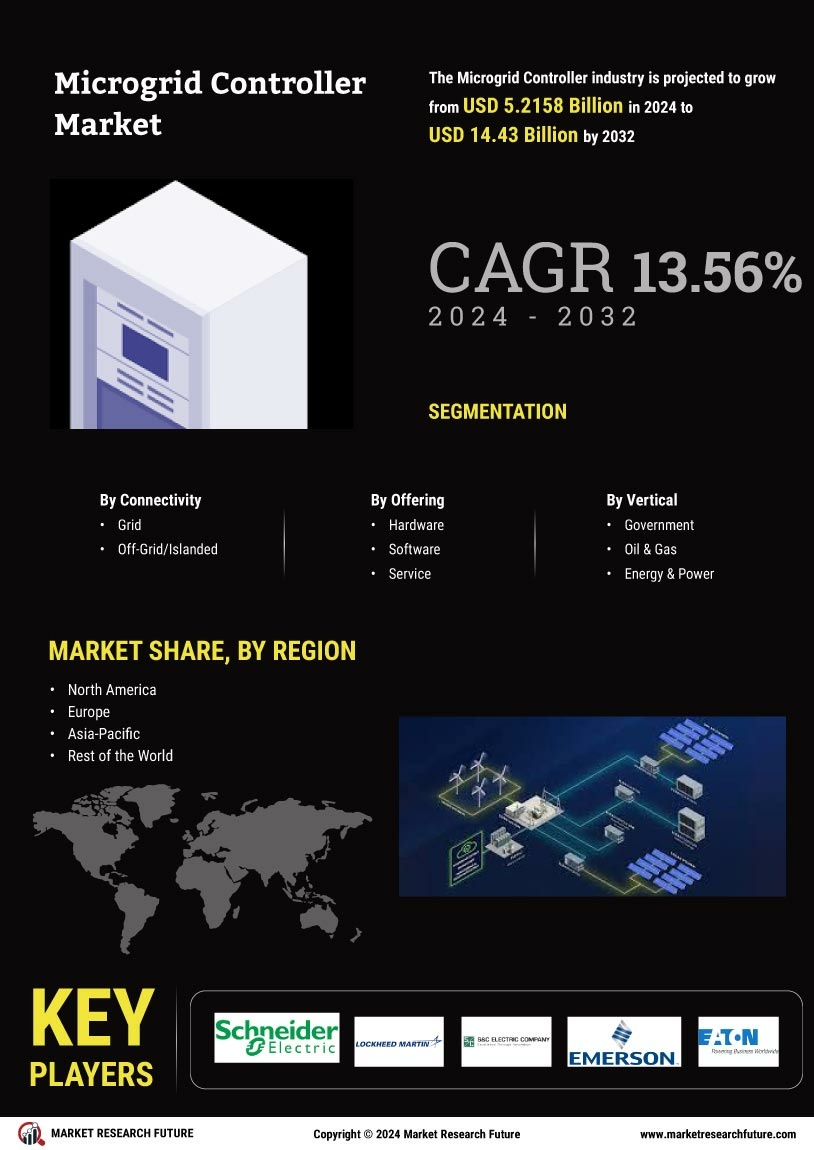
  • Microgrid Controller Market https://www.marketresearchfuture.com/reports/microgrid-controller-market-7583 #MicrogridController #SmartGrid #EnergyManagement #DistributedEnergy #RenewableIntegration #GridAutomation #PowerControl #EnergyTechnology #SustainableEnergy
    Microgrid Controller Market https://www.marketresearchfuture.com/reports/microgrid-controller-market-7583 #MicrogridController #SmartGrid #EnergyManagement #DistributedEnergy #RenewableIntegration #GridAutomation #PowerControl #EnergyTechnology #SustainableEnergy
    WWW.MARKETRESEARCHFUTURE.COM
    Microgrid Controller Market Future, Demand, Trends and Forecast 2035
    Microgrid controller market is expected to grow USD 21.13 Billion by 2035, Microgrid controller market to grow at CAGR of 13.56% by 2035 | microgrid controller Industry
    0 Комментарии 0 Поделились 0 Отзывы
Реклама
VintFint https://vintfint.com