• Industrial Barrier Systems Market


    Market insights


    The Industrial Barrier Systems Market is gaining importance as industries increasingly prioritize workplace safety, facility security, traffic management, and controlled access to operational areas. Industrial barrier systems are designed to protect employees, equipment, infrastructure, and valuable assets from accidental collisions, unauthorized entry, and other workplace hazards. These solutions are widely used across manufacturing plants, warehouses, logistics centers, construction sites, distribution facilities, and industrial complexes. Growing awareness of occupational safety and the need to minimize operational disruptions are supporting demand for reliable barrier solutions.


    Get More Info:


    Explore detailed market insights, industry trends, growth opportunities, and future forecasts:


    https://www.datamarketanalysis.com/reports/industrial-barrier-systems-market-size-forecast


    Growing Demand Across Industrial Facilities


    The expansion of manufacturing, warehousing, and logistics infrastructure is creating opportunities for industrial barrier system providers. Facilities require effective solutions to separate pedestrian walkways from vehicle movement, protect machinery, and establish restricted operational zones. Increasing use of forklifts, automated guided vehicles, and heavy industrial equipment is further highlighting the importance of physical protection systems.


    Key Factors Driving Market Growth


    Workplace Safety Requirements: Greater emphasis on employee protection is encouraging businesses to install safety barriers and protective structures.


    Industrial Infrastructure Expansion: New factories, warehouses, and distribution centers are creating demand for comprehensive facility protection.


    Asset Protection: Companies are investing in barriers to reduce equipment damage, product losses, and costly operational interruptions.


    Operational Efficiency: Clearly defined traffic routes and restricted zones help improve movement and organization within industrial environments.


    Emerging Trends and Technological Developments


    The market is experiencing growing interest in modular, flexible, and impact-resistant barrier solutions. Manufacturers are developing products using durable materials such as steel and high-performance polymers to address different industrial requirements. Customizable barrier configurations, improved visibility, and easy installation are also becoming important considerations. Businesses are increasingly seeking solutions that can adapt to changing facility layouts and operational needs.


    Future Outlook


    The Industrial Barrier Systems Market is expected to benefit from continued industrial development, rising safety awareness, and investments in modern warehouse and manufacturing infrastructure. As businesses focus on reducing workplace risks and protecting critical assets, demand for durable and adaptable barrier systems is likely to remain important. Manufacturers offering innovative designs, reliable performance, and application-specific solutions will be well positioned to address evolving industry requirements.


    Contact Information:


    DMA Intelligence


    Email: sales@trendvaultresearch.com


    Website: www.datamarketanalysis.com


    #IndustrialBarrierSystems #IndustrialSafety #WorkplaceSafety #IndustrialInfrastructure #MarketResearch #DMAIntelligence
    Industrial Barrier Systems Market Market insights The Industrial Barrier Systems Market is gaining importance as industries increasingly prioritize workplace safety, facility security, traffic management, and controlled access to operational areas. Industrial barrier systems are designed to protect employees, equipment, infrastructure, and valuable assets from accidental collisions, unauthorized entry, and other workplace hazards. These solutions are widely used across manufacturing plants, warehouses, logistics centers, construction sites, distribution facilities, and industrial complexes. Growing awareness of occupational safety and the need to minimize operational disruptions are supporting demand for reliable barrier solutions. Get More Info: Explore detailed market insights, industry trends, growth opportunities, and future forecasts: https://www.datamarketanalysis.com/reports/industrial-barrier-systems-market-size-forecast Growing Demand Across Industrial Facilities The expansion of manufacturing, warehousing, and logistics infrastructure is creating opportunities for industrial barrier system providers. Facilities require effective solutions to separate pedestrian walkways from vehicle movement, protect machinery, and establish restricted operational zones. Increasing use of forklifts, automated guided vehicles, and heavy industrial equipment is further highlighting the importance of physical protection systems. Key Factors Driving Market Growth Workplace Safety Requirements: Greater emphasis on employee protection is encouraging businesses to install safety barriers and protective structures. Industrial Infrastructure Expansion: New factories, warehouses, and distribution centers are creating demand for comprehensive facility protection. Asset Protection: Companies are investing in barriers to reduce equipment damage, product losses, and costly operational interruptions. Operational Efficiency: Clearly defined traffic routes and restricted zones help improve movement and organization within industrial environments. Emerging Trends and Technological Developments The market is experiencing growing interest in modular, flexible, and impact-resistant barrier solutions. Manufacturers are developing products using durable materials such as steel and high-performance polymers to address different industrial requirements. Customizable barrier configurations, improved visibility, and easy installation are also becoming important considerations. Businesses are increasingly seeking solutions that can adapt to changing facility layouts and operational needs. Future Outlook The Industrial Barrier Systems Market is expected to benefit from continued industrial development, rising safety awareness, and investments in modern warehouse and manufacturing infrastructure. As businesses focus on reducing workplace risks and protecting critical assets, demand for durable and adaptable barrier systems is likely to remain important. Manufacturers offering innovative designs, reliable performance, and application-specific solutions will be well positioned to address evolving industry requirements. Contact Information: DMA Intelligence Email: sales@trendvaultresearch.com Website: www.datamarketanalysis.com #IndustrialBarrierSystems #IndustrialSafety #WorkplaceSafety #IndustrialInfrastructure #MarketResearch #DMAIntelligence
    WWW.DATAMARKETANALYSIS.COM
    Industrial Barrier Systems Market Size: $2.28B (2025), 6.8% CAGR Growth Forecast | DMA Intelligence
    Discover the Industrial Barrier Systems market size, valued at $2.28 billion in 2025. Explore growth trends and forecast analysis with a 6.8% CAGR.
    0 Комментарии 0 Поделились 0 Отзывы
  • Thermal Imaging Market


    Market insights


    The Thermal Imaging Market is gaining momentum as industries increasingly adopt advanced imaging technologies for temperature detection, monitoring, inspection, and surveillance. Thermal imaging systems capture infrared radiation emitted by objects and convert temperature differences into visual images, allowing users to identify heat patterns that are not visible through conventional cameras. These solutions are widely used across defense, healthcare, manufacturing, automotive, energy, construction, and security sectors. Growing demand for non-contact inspection, preventive maintenance, and improved operational safety is creating opportunities across the market.


    Get More Info:


    Explore detailed market insights, industry trends, growth opportunities, and future forecasts:


    https://www.datamarketanalysis.com/reports/thermal-imaging-market-size-forecast


    Expanding Applications Across Industries


    Thermal imaging technology is becoming an important tool for identifying equipment faults, monitoring industrial processes, and improving security operations. Manufacturing facilities use thermal cameras to detect overheating machinery and electrical components, helping prevent unexpected failures. In construction, thermal imaging supports building inspections by identifying insulation gaps and moisture-related issues. Defense and security organizations use these systems for surveillance and visibility in challenging lighting conditions. The increasing focus on asset monitoring, energy efficiency, and workplace safety is supporting wider adoption.


    Key Factors Driving Market Growth


    Industrial Maintenance: Thermal cameras help identify abnormal heat patterns and potential equipment failures.


    Defense and Security: Infrared imaging supports surveillance and monitoring in low-visibility environments.


    Healthcare Applications: Specialized thermal systems support selected medical and research applications.


    Building Inspection: Thermal imaging helps identify heat loss, insulation problems, and moisture concerns.


    Automotive Innovation: Thermal sensors are being explored for driver assistance and vehicle monitoring applications.


    Emerging Technology Trends


    Advancements in infrared sensors, image resolution, and thermal data processing are improving system performance. Artificial intelligence and machine learning are enabling automated temperature analysis and anomaly detection. Compact sensors, portable thermal cameras, and integration with connected monitoring platforms are also expanding applications across industrial and commercial environments.


    Future Outlook


    The Thermal Imaging Market is expected to benefit from continued investment in automation, infrastructure inspection, security, and advanced monitoring technologies. As organizations increasingly prioritize preventive maintenance and reliable non-contact measurement, demand for thermal imaging solutions will continue creating opportunities for manufacturers and technology providers. Product innovation, improved accuracy, and cost-effective solutions will remain important to market development.


    Contact Information:


    DMA Intelligence


    Email: sales@trendvaultresearch.com


    Website: www.datamarketanalysis.com


    #ThermalImagingMarket #InfraredTechnology #ThermalCameras #IndustrialAutomation #PredictiveMaintenance #DMAIntelligence
    Thermal Imaging Market Market insights The Thermal Imaging Market is gaining momentum as industries increasingly adopt advanced imaging technologies for temperature detection, monitoring, inspection, and surveillance. Thermal imaging systems capture infrared radiation emitted by objects and convert temperature differences into visual images, allowing users to identify heat patterns that are not visible through conventional cameras. These solutions are widely used across defense, healthcare, manufacturing, automotive, energy, construction, and security sectors. Growing demand for non-contact inspection, preventive maintenance, and improved operational safety is creating opportunities across the market. Get More Info: Explore detailed market insights, industry trends, growth opportunities, and future forecasts: https://www.datamarketanalysis.com/reports/thermal-imaging-market-size-forecast Expanding Applications Across Industries Thermal imaging technology is becoming an important tool for identifying equipment faults, monitoring industrial processes, and improving security operations. Manufacturing facilities use thermal cameras to detect overheating machinery and electrical components, helping prevent unexpected failures. In construction, thermal imaging supports building inspections by identifying insulation gaps and moisture-related issues. Defense and security organizations use these systems for surveillance and visibility in challenging lighting conditions. The increasing focus on asset monitoring, energy efficiency, and workplace safety is supporting wider adoption. Key Factors Driving Market Growth Industrial Maintenance: Thermal cameras help identify abnormal heat patterns and potential equipment failures. Defense and Security: Infrared imaging supports surveillance and monitoring in low-visibility environments. Healthcare Applications: Specialized thermal systems support selected medical and research applications. Building Inspection: Thermal imaging helps identify heat loss, insulation problems, and moisture concerns. Automotive Innovation: Thermal sensors are being explored for driver assistance and vehicle monitoring applications. Emerging Technology Trends Advancements in infrared sensors, image resolution, and thermal data processing are improving system performance. Artificial intelligence and machine learning are enabling automated temperature analysis and anomaly detection. Compact sensors, portable thermal cameras, and integration with connected monitoring platforms are also expanding applications across industrial and commercial environments. Future Outlook The Thermal Imaging Market is expected to benefit from continued investment in automation, infrastructure inspection, security, and advanced monitoring technologies. As organizations increasingly prioritize preventive maintenance and reliable non-contact measurement, demand for thermal imaging solutions will continue creating opportunities for manufacturers and technology providers. Product innovation, improved accuracy, and cost-effective solutions will remain important to market development. Contact Information: DMA Intelligence Email: sales@trendvaultresearch.com Website: www.datamarketanalysis.com #ThermalImagingMarket #InfraredTechnology #ThermalCameras #IndustrialAutomation #PredictiveMaintenance #DMAIntelligence
    WWW.DATAMARKETANALYSIS.COM
    Thermal Imaging Market Size 2025: $4.63B, 7.3% CAGR Growth | DMA Intelligence
    Explore the Thermal Imaging market size forecast. Valued at $4.63 billion in 2025, experience 7.3% CAGR growth. Uncover key insights & opportunities.
    0 Комментарии 0 Поделились 0 Отзывы
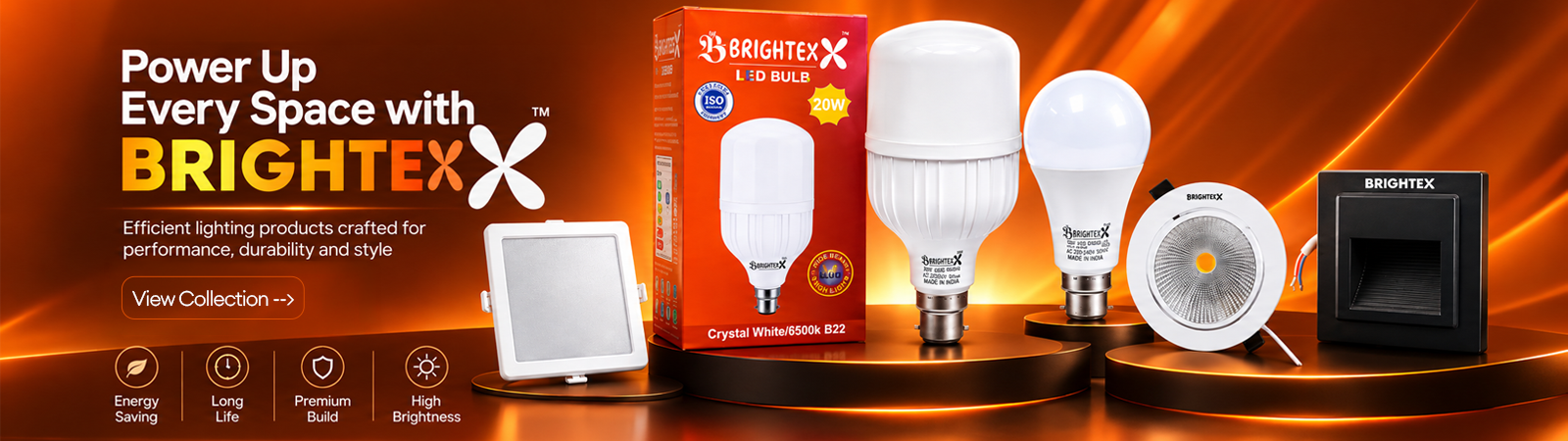
  • LED Light Supplier in Noida: Quality Lighting Solutions


    Looking for a reliable LED Light Supplier in Noida? Explore high-quality, energy-efficient LED lighting solutions designed to deliver excellent brightness, durability, and long-lasting performance for residential, commercial, and industrial spaces.


    https://brightexworld.net/
    LED Light Supplier in Noida: Quality Lighting Solutions Looking for a reliable LED Light Supplier in Noida? Explore high-quality, energy-efficient LED lighting solutions designed to deliver excellent brightness, durability, and long-lasting performance for residential, commercial, and industrial spaces. https://brightexworld.net/
    BRIGHTEXWORLD.NET
    Brightex LED Lights & Lighting Solutions
    Explore Brightex for energy-efficient LED bulbs, panel lights, tube lights and flood lights. Discover reliable lighting solutions for homes and businesses.
    0 Комментарии 0 Поделились 0 Отзывы
  • Connected Living Room Market


    Market insights


    The Connected Living Room Market is evolving as consumers increasingly adopt smart technologies to create integrated, convenient, and personalized home entertainment experiences. A connected living room brings together devices such as smart televisions, streaming media players, wireless speakers, gaming consoles, smart lighting, and voice assistants through internet connectivity and digital platforms. These technologies allow users to control multiple devices, access online content, and manage their entertainment environment through smartphones or voice commands. Growing interest in smart homes and connected consumer electronics is creating new opportunities across the market.


    Get More Info:


    Explore detailed market insights, industry trends, growth opportunities, and future forecasts:


    https://www.datamarketanalysis.com/reports/connected-living-room-market-size-forecast


    Rising Demand for Smart Home Entertainment


    Consumers are increasingly looking for seamless entertainment experiences that connect televisions, audio systems, gaming devices, and streaming platforms. The growing popularity of online video services, digital gaming, and high-quality home audio is encouraging households to upgrade their living room technology. The demand for convenience, device interoperability, and personalized entertainment is supporting the adoption of connected living room solutions.


    Key Factors Driving Market Growth


    Smart Television Adoption: Connected televisions provide access to streaming services, applications, and online content.


    Growth of Streaming Platforms: Digital entertainment consumption is encouraging investment in compatible devices.


    Smart Home Integration: Voice assistants and connected lighting systems are expanding living room automation.


    Wireless Connectivity: Wi-Fi and Bluetooth technologies simplify communication between household devices.


    Gaming and Audio Experiences: Demand for immersive gaming and advanced sound systems is supporting product innovation.


    Emerging Technology Trends


    Artificial intelligence, voice recognition, and Internet of Things connectivity are transforming connected living room experiences. Smart devices are becoming more capable of understanding user preferences and coordinating different functions. Manufacturers are also focusing on interoperability, improved wireless performance, personalized content recommendations, and centralized device management.


    Future Outlook


    The Connected Living Room Market is positioned for continued development as households embrace digital entertainment and smart home technologies. Increasing connectivity, evolving consumer preferences, and innovation in home electronics are expected to create opportunities for device manufacturers, software providers, and technology platforms. Solutions offering convenience, compatibility, and seamless user experiences will remain important to future market development.


    Contact Information:


    DMA Intelligence


    Email: sales@trendvaultresearch.com


    Website: www.datamarketanalysis.com


    #ConnectedLivingRoom #SmartHomeTechnology #HomeEntertainment #ConnectedDevices #ConsumerElectronics #DMAIntelligence
    Connected Living Room Market Market insights The Connected Living Room Market is evolving as consumers increasingly adopt smart technologies to create integrated, convenient, and personalized home entertainment experiences. A connected living room brings together devices such as smart televisions, streaming media players, wireless speakers, gaming consoles, smart lighting, and voice assistants through internet connectivity and digital platforms. These technologies allow users to control multiple devices, access online content, and manage their entertainment environment through smartphones or voice commands. Growing interest in smart homes and connected consumer electronics is creating new opportunities across the market. Get More Info: Explore detailed market insights, industry trends, growth opportunities, and future forecasts: https://www.datamarketanalysis.com/reports/connected-living-room-market-size-forecast Rising Demand for Smart Home Entertainment Consumers are increasingly looking for seamless entertainment experiences that connect televisions, audio systems, gaming devices, and streaming platforms. The growing popularity of online video services, digital gaming, and high-quality home audio is encouraging households to upgrade their living room technology. The demand for convenience, device interoperability, and personalized entertainment is supporting the adoption of connected living room solutions. Key Factors Driving Market Growth Smart Television Adoption: Connected televisions provide access to streaming services, applications, and online content. Growth of Streaming Platforms: Digital entertainment consumption is encouraging investment in compatible devices. Smart Home Integration: Voice assistants and connected lighting systems are expanding living room automation. Wireless Connectivity: Wi-Fi and Bluetooth technologies simplify communication between household devices. Gaming and Audio Experiences: Demand for immersive gaming and advanced sound systems is supporting product innovation. Emerging Technology Trends Artificial intelligence, voice recognition, and Internet of Things connectivity are transforming connected living room experiences. Smart devices are becoming more capable of understanding user preferences and coordinating different functions. Manufacturers are also focusing on interoperability, improved wireless performance, personalized content recommendations, and centralized device management. Future Outlook The Connected Living Room Market is positioned for continued development as households embrace digital entertainment and smart home technologies. Increasing connectivity, evolving consumer preferences, and innovation in home electronics are expected to create opportunities for device manufacturers, software providers, and technology platforms. Solutions offering convenience, compatibility, and seamless user experiences will remain important to future market development. Contact Information: DMA Intelligence Email: sales@trendvaultresearch.com Website: www.datamarketanalysis.com #ConnectedLivingRoom #SmartHomeTechnology #HomeEntertainment #ConnectedDevices #ConsumerElectronics #DMAIntelligence
    WWW.DATAMARKETANALYSIS.COM
    Connected Living Room Market Size: $66.16B (2025) | 8.9% CAGR | DMA Intelligence
    Explore the Connected Living Room market size, valued at $66.16B in 2025. Get growth insights & forecast with an 8.9% CAGR.
    0 Комментарии 0 Поделились 0 Отзывы
  • Aviation Connector Market


    Market insights


    The Aviation Connector Market plays an important role in supporting reliable electrical and electronic connections across modern aircraft systems. Aviation connectors are specialized components designed to transmit power, data, and signals between different aircraft equipment and systems. They are widely used in avionics, navigation, communication, flight control, cabin systems, lighting, and engine monitoring applications. As the aviation industry increasingly adopts advanced electronic technologies, demand for durable, lightweight, and high-performance connectors is gaining importance.


    Get More Info:


    Explore detailed market insights, industry trends, growth opportunities, and future forecasts:


    https://www.datamarketanalysis.com/reports/aviation-connector-market-size-growth-forecast


    Growing Demand for Advanced Aircraft Systems


    Modern aircraft depend on interconnected electronic systems to support navigation, communication, passenger services, and operational safety. This increasing electronic complexity creates demand for connectors that can withstand vibration, temperature variations, moisture, and other challenging operating conditions. Aircraft production, fleet modernization, maintenance activities, and the expansion of aviation infrastructure are important factors supporting the need for advanced connector solutions.


    Key Factors Driving Market Growth


    Aircraft Manufacturing: Increasing aircraft production creates demand for electrical and electronic connection components.


    Fleet Modernization: Airlines are upgrading aircraft systems to improve performance and operational efficiency.


    Advanced Avionics: Modern navigation, communication, and flight management technologies require reliable connectors.


    Maintenance and Repair: Replacement and maintenance requirements support aftermarket demand.


    Lightweight Components: Aircraft manufacturers are focusing on reducing component weight while maintaining durability and performance.


    Emerging Technology Trends


    The aviation connector industry is evolving through improvements in materials, miniaturization, and high-speed data transmission capabilities. Manufacturers are developing compact connectors that support complex electronic systems while meeting demanding aviation performance requirements. Increased use of digital avionics, advanced communication equipment, and connected aircraft technologies is also encouraging innovation. Reliability, electromagnetic compatibility, and resistance to harsh environmental conditions remain important design priorities.


    Future Outlook


    The Aviation Connector Market is expected to benefit from continued aircraft manufacturing, fleet upgrades, and growing integration of electronic systems. As aviation technologies become more sophisticated, demand for dependable, lightweight, and high-performance connectivity solutions will remain important. Manufacturers focusing on product innovation, quality, and application-specific designs may find opportunities across commercial, military, and general aviation sectors.


    Contact Information:


    DMA Intelligence


    Email: sales@trendvaultresearch.com


    Website: www.datamarketanalysis.com


    #AviationConnectorMarket #AviationIndustry #AircraftElectronics #Avionics #AerospaceTechnology #DMAIntelligence
    Aviation Connector Market Market insights The Aviation Connector Market plays an important role in supporting reliable electrical and electronic connections across modern aircraft systems. Aviation connectors are specialized components designed to transmit power, data, and signals between different aircraft equipment and systems. They are widely used in avionics, navigation, communication, flight control, cabin systems, lighting, and engine monitoring applications. As the aviation industry increasingly adopts advanced electronic technologies, demand for durable, lightweight, and high-performance connectors is gaining importance. Get More Info: Explore detailed market insights, industry trends, growth opportunities, and future forecasts: https://www.datamarketanalysis.com/reports/aviation-connector-market-size-growth-forecast Growing Demand for Advanced Aircraft Systems Modern aircraft depend on interconnected electronic systems to support navigation, communication, passenger services, and operational safety. This increasing electronic complexity creates demand for connectors that can withstand vibration, temperature variations, moisture, and other challenging operating conditions. Aircraft production, fleet modernization, maintenance activities, and the expansion of aviation infrastructure are important factors supporting the need for advanced connector solutions. Key Factors Driving Market Growth Aircraft Manufacturing: Increasing aircraft production creates demand for electrical and electronic connection components. Fleet Modernization: Airlines are upgrading aircraft systems to improve performance and operational efficiency. Advanced Avionics: Modern navigation, communication, and flight management technologies require reliable connectors. Maintenance and Repair: Replacement and maintenance requirements support aftermarket demand. Lightweight Components: Aircraft manufacturers are focusing on reducing component weight while maintaining durability and performance. Emerging Technology Trends The aviation connector industry is evolving through improvements in materials, miniaturization, and high-speed data transmission capabilities. Manufacturers are developing compact connectors that support complex electronic systems while meeting demanding aviation performance requirements. Increased use of digital avionics, advanced communication equipment, and connected aircraft technologies is also encouraging innovation. Reliability, electromagnetic compatibility, and resistance to harsh environmental conditions remain important design priorities. Future Outlook The Aviation Connector Market is expected to benefit from continued aircraft manufacturing, fleet upgrades, and growing integration of electronic systems. As aviation technologies become more sophisticated, demand for dependable, lightweight, and high-performance connectivity solutions will remain important. Manufacturers focusing on product innovation, quality, and application-specific designs may find opportunities across commercial, military, and general aviation sectors. Contact Information: DMA Intelligence Email: sales@trendvaultresearch.com Website: www.datamarketanalysis.com #AviationConnectorMarket #AviationIndustry #AircraftElectronics #Avionics #AerospaceTechnology #DMAIntelligence
    WWW.DATAMARKETANALYSIS.COM
    Aviation Connector Market Size & Growth Forecast 2025 | DMA Intelligence
    Aviation Connector market size is $5.9 billion in 2025. Explore growth forecasts, driven by a 7.1% CAGR. Gain detailed insights into market trends & analysis.
    0 Комментарии 0 Поделились 0 Отзывы
  • Gaming PC Market
    Market insights


    The Gaming PC Market is experiencing growing demand as gaming enthusiasts, professional players, content creators, and technology-focused consumers seek high-performance computing systems. Gaming PCs are designed with powerful processors, advanced graphics cards, high-speed memory, and efficient cooling systems to support demanding games and graphics-intensive applications. The expansion of online gaming, esports, game streaming, and immersive digital entertainment is creating opportunities for manufacturers of gaming desktops, laptops, components, and accessories. Continuous hardware innovation and rising interest in customized gaming setups are further shaping the market.


    Get More Info:


    Explore detailed market insights, industry trends, growth opportunities, and future forecasts:


    https://www.datamarketanalysis.com/reports/gaming-pc-market-size-forecast-report


    Growing Demand for High-Performance Gaming Systems


    Modern games increasingly require powerful hardware to deliver smooth performance, detailed graphics, and responsive gameplay. Consumers are investing in gaming PCs that offer advanced processing capabilities, high refresh rate compatibility, and improved graphics performance. Gaming laptops are also attracting attention because they combine powerful computing capabilities with portability, making them suitable for users who want flexibility without compromising performance.


    Key Factors Driving Market Growth
    - Expansion of Esports: Competitive gaming is encouraging demand for high-performance PCs with reliable processing and graphics capabilities.
    - Online Gaming Popularity: Growing participation in multiplayer and online gaming is supporting demand for advanced gaming hardware.
    - Hardware Innovation: Improvements in GPUs, processors, memory, and cooling technologies are enhancing gaming performance.
    - Content Creation Growth: Streamers and video creators require powerful systems for gaming, recording, editing, and broadcasting.
    - Customization Demand: Gaming enthusiasts are increasingly choosing customizable desktops, specialized components, and performance-oriented accessories.
    Emerging Trends and Technological Developments


    The market is witnessing advancements in graphics processing, AI-assisted performance optimization, liquid cooling, high-speed storage, and compact gaming systems. Manufacturers are also developing gaming PCs with improved thermal management, customizable RGB lighting, and enhanced connectivity. Cloud gaming and virtual reality are influencing hardware development, while high-resolution displays and immersive gaming experiences continue to shape consumer preferences.


    Future Outlook


    The Gaming PC Market is expected to benefit from continued growth in digital entertainment, esports, game streaming, and advanced gaming technologies. As consumers seek more immersive experiences and higher system performance, demand for powerful, customizable, and technologically advanced gaming PCs is likely to remain significant.


    Contact Information:


    DMA Intelligence


    Email: sales@trendvaultresearch.com


    Website: www.datamarketanalysis.com


    #GamingPCMarket #GamingComputers #PCGaming #Esports #GamingTechnology #ComputerHardware #DMAIntelligence
    Gaming PC Market Market insights The Gaming PC Market is experiencing growing demand as gaming enthusiasts, professional players, content creators, and technology-focused consumers seek high-performance computing systems. Gaming PCs are designed with powerful processors, advanced graphics cards, high-speed memory, and efficient cooling systems to support demanding games and graphics-intensive applications. The expansion of online gaming, esports, game streaming, and immersive digital entertainment is creating opportunities for manufacturers of gaming desktops, laptops, components, and accessories. Continuous hardware innovation and rising interest in customized gaming setups are further shaping the market. Get More Info: Explore detailed market insights, industry trends, growth opportunities, and future forecasts: https://www.datamarketanalysis.com/reports/gaming-pc-market-size-forecast-report Growing Demand for High-Performance Gaming Systems Modern games increasingly require powerful hardware to deliver smooth performance, detailed graphics, and responsive gameplay. Consumers are investing in gaming PCs that offer advanced processing capabilities, high refresh rate compatibility, and improved graphics performance. Gaming laptops are also attracting attention because they combine powerful computing capabilities with portability, making them suitable for users who want flexibility without compromising performance. Key Factors Driving Market Growth - Expansion of Esports: Competitive gaming is encouraging demand for high-performance PCs with reliable processing and graphics capabilities. - Online Gaming Popularity: Growing participation in multiplayer and online gaming is supporting demand for advanced gaming hardware. - Hardware Innovation: Improvements in GPUs, processors, memory, and cooling technologies are enhancing gaming performance. - Content Creation Growth: Streamers and video creators require powerful systems for gaming, recording, editing, and broadcasting. - Customization Demand: Gaming enthusiasts are increasingly choosing customizable desktops, specialized components, and performance-oriented accessories. Emerging Trends and Technological Developments The market is witnessing advancements in graphics processing, AI-assisted performance optimization, liquid cooling, high-speed storage, and compact gaming systems. Manufacturers are also developing gaming PCs with improved thermal management, customizable RGB lighting, and enhanced connectivity. Cloud gaming and virtual reality are influencing hardware development, while high-resolution displays and immersive gaming experiences continue to shape consumer preferences. Future Outlook The Gaming PC Market is expected to benefit from continued growth in digital entertainment, esports, game streaming, and advanced gaming technologies. As consumers seek more immersive experiences and higher system performance, demand for powerful, customizable, and technologically advanced gaming PCs is likely to remain significant. Contact Information: DMA Intelligence Email: sales@trendvaultresearch.com Website: www.datamarketanalysis.com #GamingPCMarket #GamingComputers #PCGaming #Esports #GamingTechnology #ComputerHardware #DMAIntelligence
    WWW.DATAMARKETANALYSIS.COM
    Gaming PC Market Size: $68.88B (2025) Forecast & 13.5% CAGR Growth | DMA Intelligence
    Discover the Gaming PC market size forecast, valued at $68.88 billion in 2025. Anticipate robust 13.5% CAGR growth. Gain key industry insights.
    0 Комментарии 0 Поделились 0 Отзывы
  • Ring Ceremony Decoration in Panchkula
    Ring ceremonies are special occasions that deserve thoughtful and beautiful decoration. Ring Ceremony Decoration in Panchkula can include floral backdrops, decorative arches, elegant stage arrangements, entrance styling, and attractive seating areas. Engagment Decoration in Panchkula may feature fresh flowers, soft lighting, personalised elements, and beautiful photo corners for guests. The decoration theme can be selected according to the couple's preferences, venue size, and colour combinations. Before planning, consider the stage design, guest seating, photography arrangements, and seasonal flower availability. These details help create a balanced celebration atmosphere and make the ring ceremony more memorable for couples, families, and guests.
    visit: https://share.google/EPz7Ar0YgBSpPZ9mx
    Ring Ceremony Decoration in Panchkula Ring ceremonies are special occasions that deserve thoughtful and beautiful decoration. Ring Ceremony Decoration in Panchkula can include floral backdrops, decorative arches, elegant stage arrangements, entrance styling, and attractive seating areas. Engagment Decoration in Panchkula may feature fresh flowers, soft lighting, personalised elements, and beautiful photo corners for guests. The decoration theme can be selected according to the couple's preferences, venue size, and colour combinations. Before planning, consider the stage design, guest seating, photography arrangements, and seasonal flower availability. These details help create a balanced celebration atmosphere and make the ring ceremony more memorable for couples, families, and guests. visit: https://share.google/EPz7Ar0YgBSpPZ9mx
    0 Комментарии 0 Поделились 0 Отзывы
  • Europe LED Lighting Market


    Market insights


    The Europe LED Lighting Market is evolving as businesses, households, and public infrastructure operators increasingly shift toward energy-efficient and sustainable lighting solutions. LED lighting technology offers advantages such as lower energy consumption, longer operating life, improved lighting performance, and reduced maintenance requirements compared with conventional lighting systems. Its applications span residential buildings, commercial spaces, industrial facilities, outdoor environments, street lighting, and architectural projects. The growing emphasis on energy efficiency and modernization of lighting infrastructure is supporting market development across Europe.


    Get More Info:


    Explore detailed market insights, industry trends, growth opportunities, and future forecasts:


    https://www.datamarketanalysis.com/reports/europe-led-lighting-market-size-forecast


    Growing Demand for Energy-Efficient Lighting


    The transition toward efficient lighting systems is creating opportunities for LED manufacturers and solution providers across European countries. Commercial buildings, offices, retail spaces, and industrial facilities are adopting LED technology to manage electricity consumption and reduce maintenance costs. Municipal authorities are also modernizing streetlights and public lighting infrastructure to improve efficiency and lighting quality.


    Key Factors Driving Market Growth


    Energy Efficiency Initiatives: Greater attention to energy conservation is encouraging the replacement of conventional lighting with LED alternatives.


    Smart City Development: Urban infrastructure projects are creating demand for connected and controllable lighting systems.


    Commercial and Industrial Modernization: Businesses are upgrading lighting installations to improve operational efficiency and workplace environments.


    Residential Adoption: Consumers are increasingly choosing LED bulbs and fixtures for their durability and energy-saving benefits.


    Sustainable Building Practices: Green construction and building renovation projects are supporting demand for efficient lighting technologies.


    Emerging Trends and Technological Developments


    Smart LED lighting, connected controls, and automated lighting management are becoming important areas of development. These technologies allow users to adjust brightness, schedule operations, and manage lighting remotely. Manufacturers are also focusing on advanced fixtures, improved optical performance, and designs suited to different indoor and outdoor applications. Integration with building management systems is creating additional opportunities for intelligent lighting solutions.


    Future Outlook


    The Europe LED Lighting Market is positioned for continued development as energy efficiency, smart infrastructure, and sustainable construction remain important priorities. Ongoing building renovations, urban modernization, and technological advancements are expected to support demand for innovative LED lighting products and connected solutions.


    Contact Information:


    DMA Intelligence


    Email: sales@trendvaultresearch.com


    Website: www.datamarketanalysis.com


    #EuropeLEDLightingMarket #LEDLighting #EnergyEfficiency #SmartLighting #SustainableInfrastructure #LightingTechnology #DMAIntelligence
    Europe LED Lighting Market Market insights The Europe LED Lighting Market is evolving as businesses, households, and public infrastructure operators increasingly shift toward energy-efficient and sustainable lighting solutions. LED lighting technology offers advantages such as lower energy consumption, longer operating life, improved lighting performance, and reduced maintenance requirements compared with conventional lighting systems. Its applications span residential buildings, commercial spaces, industrial facilities, outdoor environments, street lighting, and architectural projects. The growing emphasis on energy efficiency and modernization of lighting infrastructure is supporting market development across Europe. Get More Info: Explore detailed market insights, industry trends, growth opportunities, and future forecasts: https://www.datamarketanalysis.com/reports/europe-led-lighting-market-size-forecast Growing Demand for Energy-Efficient Lighting The transition toward efficient lighting systems is creating opportunities for LED manufacturers and solution providers across European countries. Commercial buildings, offices, retail spaces, and industrial facilities are adopting LED technology to manage electricity consumption and reduce maintenance costs. Municipal authorities are also modernizing streetlights and public lighting infrastructure to improve efficiency and lighting quality. Key Factors Driving Market Growth Energy Efficiency Initiatives: Greater attention to energy conservation is encouraging the replacement of conventional lighting with LED alternatives. Smart City Development: Urban infrastructure projects are creating demand for connected and controllable lighting systems. Commercial and Industrial Modernization: Businesses are upgrading lighting installations to improve operational efficiency and workplace environments. Residential Adoption: Consumers are increasingly choosing LED bulbs and fixtures for their durability and energy-saving benefits. Sustainable Building Practices: Green construction and building renovation projects are supporting demand for efficient lighting technologies. Emerging Trends and Technological Developments Smart LED lighting, connected controls, and automated lighting management are becoming important areas of development. These technologies allow users to adjust brightness, schedule operations, and manage lighting remotely. Manufacturers are also focusing on advanced fixtures, improved optical performance, and designs suited to different indoor and outdoor applications. Integration with building management systems is creating additional opportunities for intelligent lighting solutions. Future Outlook The Europe LED Lighting Market is positioned for continued development as energy efficiency, smart infrastructure, and sustainable construction remain important priorities. Ongoing building renovations, urban modernization, and technological advancements are expected to support demand for innovative LED lighting products and connected solutions. Contact Information: DMA Intelligence Email: sales@trendvaultresearch.com Website: www.datamarketanalysis.com #EuropeLEDLightingMarket #LEDLighting #EnergyEfficiency #SmartLighting #SustainableInfrastructure #LightingTechnology #DMAIntelligence
    WWW.DATAMARKETANALYSIS.COM
    Europe LED Lighting Market Size: $23.89B | 2025 Forecast & Growth | DMA Intelligence
    Discover the Europe LED Lighting market size, valued at $23.89 billion in 2025, with a 7.6% CAGR forecast. Explore growth trends & opportunities.
    0 Комментарии 0 Поделились 0 Отзывы
  • Horticulture Lighting Market


    Market insights


    The Horticulture Lighting Market is experiencing growing interest as growers increasingly adopt advanced lighting technologies to improve plant growth, productivity, and crop quality. Horticulture lighting uses artificial light sources, including LED systems, to provide plants with the specific light conditions required for different stages of development. These solutions are used in greenhouses, indoor farms, vertical farms, commercial nurseries, and controlled-environment agriculture facilities. The growing focus on year-round cultivation and efficient food production is creating opportunities for innovative horticulture lighting solutions.


    Get More Info:


    Explore detailed market insights, industry trends, growth opportunities, and future forecasts:


    https://www.datamarketanalysis.com/reports/horticulture-lighting-market-size-forecast


    Growing Demand for Controlled-Environment Agriculture


    The expansion of indoor farming and greenhouse cultivation is supporting demand for specialized horticulture lighting systems. Unlike conventional outdoor agriculture, controlled-environment facilities allow growers to manage light exposure, temperature, and other growing conditions. Artificial lighting helps maintain consistent plant development, particularly in locations with limited natural sunlight or where crops are cultivated throughout the year.


    Key Factors Driving Market Growth


    Expansion of Vertical Farming: Urban agriculture and vertical farms are increasing the need for reliable artificial lighting systems.


    Growing Greenhouse Cultivation: Commercial greenhouse operators are adopting supplemental lighting to support crop production.


    Demand for Higher Crop Productivity: Growers are using specialized lighting to optimize plant development and improve cultivation outcomes.


    LED Technology Adoption: Energy-efficient LED fixtures offer flexibility in light intensity, spectrum, and operating schedules.


    Year-Round Food Production: Controlled-environment agriculture supports consistent cultivation beyond traditional growing seasons.


    Emerging Trends and Technological Developments


    LED-based horticulture lighting is becoming an important technology due to its energy efficiency, longer operating life, and customizable light spectrum. Manufacturers are developing systems that allow growers to adjust lighting according to crop type and growth stage. Smart lighting controls, automation, and integration with environmental monitoring systems are also creating opportunities to improve resource management in indoor farming and greenhouse operations.


    Future Outlook


    The Horticulture Lighting Market is expected to benefit from continued investments in indoor agriculture, greenhouse infrastructure, and advanced cultivation technologies. As growers focus on productivity, resource efficiency, and consistent crop quality, demand for adaptable and technologically advanced lighting solutions is likely to remain important.


    Contact Information:


    DMA Intelligence


    Email: sales@trendvaultresearch.com


    Website: www.datamarketanalysis.com


    #HorticultureLightingMarket #IndoorFarming #VerticalFarming #LEDLighting #GreenhouseTechnology #AgricultureTechnology #DMAIntelligence
    Horticulture Lighting Market Market insights The Horticulture Lighting Market is experiencing growing interest as growers increasingly adopt advanced lighting technologies to improve plant growth, productivity, and crop quality. Horticulture lighting uses artificial light sources, including LED systems, to provide plants with the specific light conditions required for different stages of development. These solutions are used in greenhouses, indoor farms, vertical farms, commercial nurseries, and controlled-environment agriculture facilities. The growing focus on year-round cultivation and efficient food production is creating opportunities for innovative horticulture lighting solutions. Get More Info: Explore detailed market insights, industry trends, growth opportunities, and future forecasts: https://www.datamarketanalysis.com/reports/horticulture-lighting-market-size-forecast Growing Demand for Controlled-Environment Agriculture The expansion of indoor farming and greenhouse cultivation is supporting demand for specialized horticulture lighting systems. Unlike conventional outdoor agriculture, controlled-environment facilities allow growers to manage light exposure, temperature, and other growing conditions. Artificial lighting helps maintain consistent plant development, particularly in locations with limited natural sunlight or where crops are cultivated throughout the year. Key Factors Driving Market Growth Expansion of Vertical Farming: Urban agriculture and vertical farms are increasing the need for reliable artificial lighting systems. Growing Greenhouse Cultivation: Commercial greenhouse operators are adopting supplemental lighting to support crop production. Demand for Higher Crop Productivity: Growers are using specialized lighting to optimize plant development and improve cultivation outcomes. LED Technology Adoption: Energy-efficient LED fixtures offer flexibility in light intensity, spectrum, and operating schedules. Year-Round Food Production: Controlled-environment agriculture supports consistent cultivation beyond traditional growing seasons. Emerging Trends and Technological Developments LED-based horticulture lighting is becoming an important technology due to its energy efficiency, longer operating life, and customizable light spectrum. Manufacturers are developing systems that allow growers to adjust lighting according to crop type and growth stage. Smart lighting controls, automation, and integration with environmental monitoring systems are also creating opportunities to improve resource management in indoor farming and greenhouse operations. Future Outlook The Horticulture Lighting Market is expected to benefit from continued investments in indoor agriculture, greenhouse infrastructure, and advanced cultivation technologies. As growers focus on productivity, resource efficiency, and consistent crop quality, demand for adaptable and technologically advanced lighting solutions is likely to remain important. Contact Information: DMA Intelligence Email: sales@trendvaultresearch.com Website: www.datamarketanalysis.com #HorticultureLightingMarket #IndoorFarming #VerticalFarming #LEDLighting #GreenhouseTechnology #AgricultureTechnology #DMAIntelligence
    WWW.DATAMARKETANALYSIS.COM
    Horticulture Lighting Market Size: $7.29B (2025) Forecast | DMA Intelligence
    Discover the Horticulture Lighting market size, valued at $7.29 billion in 2025. Explore forecast & growth at 18.9% CAGR. Get expert insights on this dynamic market.
    0 Комментарии 0 Поделились 0 Отзывы
  • Commercial Lighting Market


    Market insights


    The Commercial Lighting Market is evolving as businesses increasingly prioritize energy efficiency, modern infrastructure, and improved workplace environments. Commercial lighting solutions are widely used in offices, retail stores, hotels, hospitals, educational institutions, warehouses, and industrial facilities. From conventional lighting fixtures to advanced LED systems and intelligent lighting controls, the industry is experiencing a shift toward solutions that combine performance, durability, visual comfort, and lower energy consumption.


    Get More Info:


    Explore detailed market insights, industry trends, growth opportunities, and future forecasts:


    https://www.datamarketanalysis.com/reports/commercial-lighting-market


    Growing Demand for Energy-Efficient Lighting


    Businesses are increasingly upgrading traditional lighting infrastructure to reduce electricity expenses and improve operational efficiency. LED technology has become an important option because of its energy-saving capabilities, longer operating life, and reduced maintenance requirements. Both new commercial construction projects and renovation activities are creating opportunities for lighting manufacturers and solution providers.


    Key Factors Driving Market Growth


    Energy conservation: Organizations are adopting efficient lighting systems to manage electricity consumption and operating costs.


    Commercial infrastructure development: New offices, shopping centers, hotels, and industrial facilities are supporting demand for modern lighting installations.


    LED technology adoption: Durable and efficient LED products are encouraging businesses to replace conventional lighting systems.


    Smart building integration: Connected lighting controls, sensors, and automation are improving lighting management.


    Workplace comfort and safety: Better illumination supports productivity, visibility, and safer working environments.


    Emerging Trends and Technological Developments


    Smart lighting is becoming an important area of innovation within the commercial sector. IoT-enabled systems, occupancy sensors, daylight harvesting, and automated brightness controls allow businesses to manage lighting according to real-time requirements.


    Another emerging trend is human-centric lighting, which focuses on creating comfortable environments through adjustable brightness and color temperature. Retrofit projects are also presenting opportunities as organizations modernize existing buildings without undertaking complete infrastructure replacements.


    Future Outlook


    The Commercial Lighting Market is expected to benefit from continued investments in commercial construction, smart buildings, and sustainable infrastructure. Manufacturers focusing on energy-efficient products, connected technologies, flexible designs, and cost-effective solutions can explore new business opportunities. As businesses continue to modernize their facilities, advanced commercial lighting will remain an important part of building management and infrastructure development.


    Contact Information:


    DMA Intelligence


    Email: sales@trendvaultresearch.com


    Website: www.datamarketanalysis.com


    #CommercialLighting #LightingMarket #LEDLighting #SmartLighting #EnergyEfficiency #BuildingTechnology #MarketResearch #DMAIntelligence
    Commercial Lighting Market Market insights The Commercial Lighting Market is evolving as businesses increasingly prioritize energy efficiency, modern infrastructure, and improved workplace environments. Commercial lighting solutions are widely used in offices, retail stores, hotels, hospitals, educational institutions, warehouses, and industrial facilities. From conventional lighting fixtures to advanced LED systems and intelligent lighting controls, the industry is experiencing a shift toward solutions that combine performance, durability, visual comfort, and lower energy consumption. Get More Info: Explore detailed market insights, industry trends, growth opportunities, and future forecasts: https://www.datamarketanalysis.com/reports/commercial-lighting-market Growing Demand for Energy-Efficient Lighting Businesses are increasingly upgrading traditional lighting infrastructure to reduce electricity expenses and improve operational efficiency. LED technology has become an important option because of its energy-saving capabilities, longer operating life, and reduced maintenance requirements. Both new commercial construction projects and renovation activities are creating opportunities for lighting manufacturers and solution providers. Key Factors Driving Market Growth Energy conservation: Organizations are adopting efficient lighting systems to manage electricity consumption and operating costs. Commercial infrastructure development: New offices, shopping centers, hotels, and industrial facilities are supporting demand for modern lighting installations. LED technology adoption: Durable and efficient LED products are encouraging businesses to replace conventional lighting systems. Smart building integration: Connected lighting controls, sensors, and automation are improving lighting management. Workplace comfort and safety: Better illumination supports productivity, visibility, and safer working environments. Emerging Trends and Technological Developments Smart lighting is becoming an important area of innovation within the commercial sector. IoT-enabled systems, occupancy sensors, daylight harvesting, and automated brightness controls allow businesses to manage lighting according to real-time requirements. Another emerging trend is human-centric lighting, which focuses on creating comfortable environments through adjustable brightness and color temperature. Retrofit projects are also presenting opportunities as organizations modernize existing buildings without undertaking complete infrastructure replacements. Future Outlook The Commercial Lighting Market is expected to benefit from continued investments in commercial construction, smart buildings, and sustainable infrastructure. Manufacturers focusing on energy-efficient products, connected technologies, flexible designs, and cost-effective solutions can explore new business opportunities. As businesses continue to modernize their facilities, advanced commercial lighting will remain an important part of building management and infrastructure development. Contact Information: DMA Intelligence Email: sales@trendvaultresearch.com Website: www.datamarketanalysis.com #CommercialLighting #LightingMarket #LEDLighting #SmartLighting #EnergyEfficiency #BuildingTechnology #MarketResearch #DMAIntelligence
    WWW.DATAMARKETANALYSIS.COM
    Commercial Lighting Market Size: Growth & Trends Forecast | DMA Intelligence
    Discover the Commercial Lighting market size, valued at $50.47 billion in 2025. Explore growth trends, forecast, and a robust 7.8% CAGR.
    0 Комментарии 0 Поделились 0 Отзывы
More Results
Реклама
VintFint https://vintfint.com