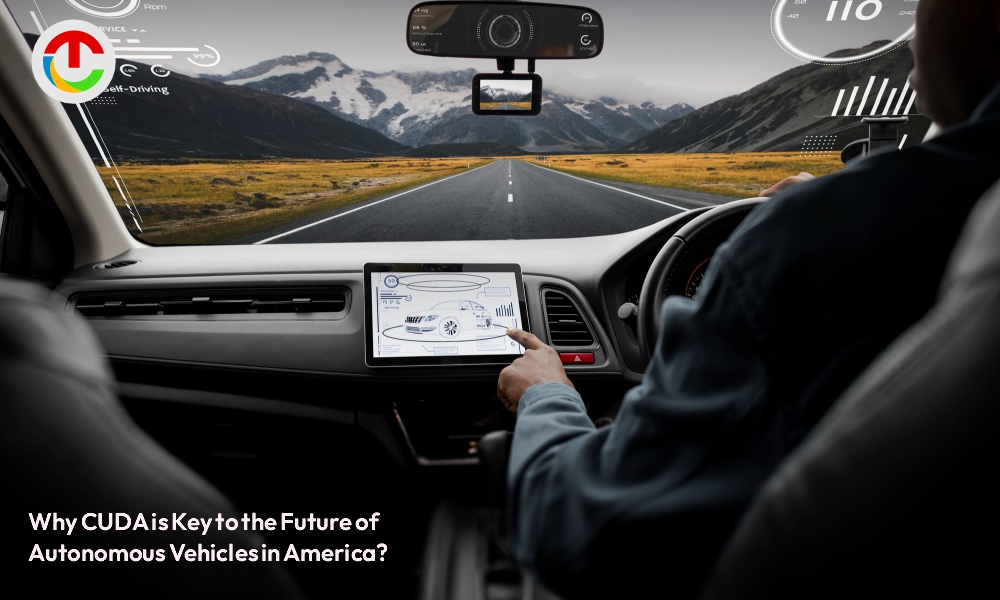
• Why CUDA is Key to the Future of Autonomous Vehicles in America?


    The race toward autonomous vehicles is heating up in the United States, with tech giants, automakers, and startups competing to deliver safer, smarter, and more efficient self-driving cars. While many factors contribute to the development of autonomous systems, one technology stands out as a cornerstone of progress: NVIDIA’s CUDA. By enabling high-performance computing on graphics processing units (GPUs), GPU compute is transforming the way autonomous vehicles perceive, process, and respond to the world around them.


    Also Read ;- https://theciotimes.com/cuda-is-key-to-future-of-autonomous-vehicles/


    #CUDA #AutonomousVehicles #FutureTech #SelfDrivingCars #Innovation #AI #MachineLearning #TechTrends #SmartCars #ComputerVision #NVIDIA
    Why CUDA is Key to the Future of Autonomous Vehicles in America? The race toward autonomous vehicles is heating up in the United States, with tech giants, automakers, and startups competing to deliver safer, smarter, and more efficient self-driving cars. While many factors contribute to the development of autonomous systems, one technology stands out as a cornerstone of progress: NVIDIA’s CUDA. By enabling high-performance computing on graphics processing units (GPUs), GPU compute is transforming the way autonomous vehicles perceive, process, and respond to the world around them. Also Read ;- https://theciotimes.com/cuda-is-key-to-future-of-autonomous-vehicles/ #CUDA #AutonomousVehicles #FutureTech #SelfDrivingCars #Innovation #AI #MachineLearning #TechTrends #SmartCars #ComputerVision #NVIDIA
    THECIOTIMES.COM
    Why CUDA is Key to Future of Autonomous Vehicles in America? | CIO Times Magazine
    The race toward autonomous vehicles is heating in the United States, with tech giants, automakers, and startups competing to deliver safer, While many factors contribute to the development of autonomous systems, one technology stands out as a cornerstone of progress: NVIDIA’s CUDA Read for more information
    0 Комментарии 0 Поделились 0 Отзывы
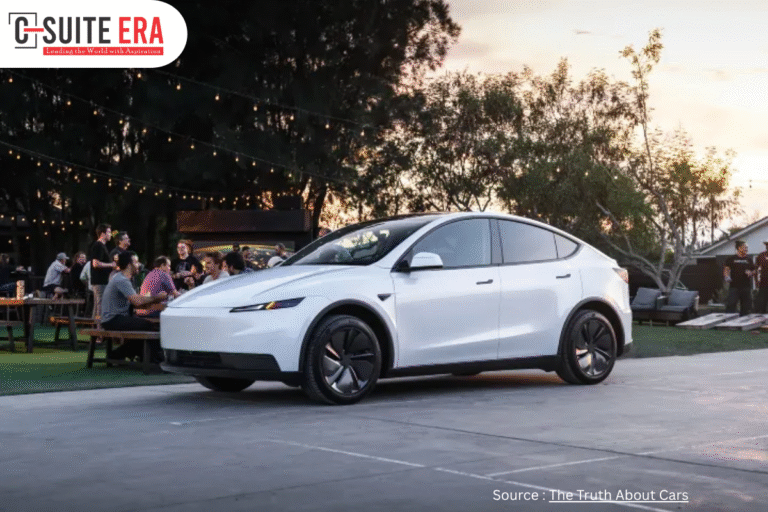
  • Musk Expects Rapid Expansion of Self-Driving Cars Across the US This Year, Signaling Major Shift in Mobility IndustryElon Musk has stated that fully Tesla Autonomous Vehicles without human safety monitors are expected to become widely used across the United States later this year, marking one of his most ambitious timelines yet for autonomous vehicle deployment. The announcement was made during a technology and mobility summit in Tel Aviv, where he outlined Tesla’s progress in expanding its robotaxi-style operations beyond limited pilot regions.Also Read : -https://csuiteera.com/tesla-autonomous-vehicles/#Tesla #AutonomousVehicles #SelfDriving #FutureOfTransport #ElectricVehicles #Innovation #TechTrends #SmartCars #CSuiteEra #SustainableTransport #VehicleTechnology #AutonomousDriving #GreenTech
    Musk Expects Rapid Expansion of Self-Driving Cars Across the US This Year, Signaling Major Shift in Mobility IndustryElon Musk has stated that fully Tesla Autonomous Vehicles without human safety monitors are expected to become widely used across the United States later this year, marking one of his most ambitious timelines yet for autonomous vehicle deployment. The announcement was made during a technology and mobility summit in Tel Aviv, where he outlined Tesla’s progress in expanding its robotaxi-style operations beyond limited pilot regions.Also Read : -https://csuiteera.com/tesla-autonomous-vehicles/#Tesla #AutonomousVehicles #SelfDriving #FutureOfTransport #ElectricVehicles #Innovation #TechTrends #SmartCars #CSuiteEra #SustainableTransport #VehicleTechnology #AutonomousDriving #GreenTech
    CSUITEERA.COM
    Musk Expects Rapid Expansion of Self-Driving Cars Across the US This Year, Signaling Major Shift in Mobility Industry
    Elon Musk has stated that fully Tesla Autonomous Vehicles without human safety monitors are expected to become widely used across the United States later this year, marking one of his most ambitious timelines Read for more Information
    0 Комментарии 0 Поделились 0 Отзывы
  • Automotive Near Range LiDAR Market


    Market insights


    The Automotive Near Range LiDAR Market is witnessing strong growth as vehicle manufacturers increasingly adopt advanced sensing technologies to enhance safety, automation, and driving assistance systems. Near range LiDAR systems are widely used in automotive applications such as parking assistance, blind spot detection, collision avoidance, and low-speed maneuvering. Their ability to deliver precise short-distance object detection is making them a key component in modern Advanced Driver Assistance Systems (ADAS), supporting safer and more intelligent vehicle operation.


    Get More Info: https://www.trendvaultresearch.com/report/automotive-near-range-lidar-2510


    Rising Adoption in ADAS and Safety Systems


    Automotive near range LiDAR is increasingly being integrated into ADAS features to improve real-time environmental perception. These systems help detect nearby objects, pedestrians, and obstacles with high accuracy, especially in low-speed driving conditions such as parking and urban traffic. Growing emphasis on vehicle safety regulations and crash prevention technologies is driving the adoption of near range LiDAR systems across passenger and commercial vehicles.


    Growth of Autonomous and Smart Vehicles


    The development of autonomous and semi-autonomous vehicles is significantly contributing to the demand for near range LiDAR technology. These sensors play a crucial role in providing close-range spatial awareness, which is essential for safe navigation in complex driving environments. As automotive manufacturers continue investing in autonomous driving capabilities, the demand for high-precision near field sensing solutions is expected to rise.


    Technological Advancements in LiDAR Systems


    Manufacturers are focusing on improving near range LiDAR performance through advancements such as solid-state designs, enhanced resolution, compact sensor architecture, and faster data processing capabilities. These innovations are helping reduce system size, cost, and power consumption while improving detection accuracy and reliability in real-world driving conditions.


    Integration with Multi-Sensor Systems


    Near range LiDAR is increasingly being integrated with radar and camera systems to create a comprehensive sensor fusion ecosystem. This integration enhances object detection accuracy, improves decision-making capabilities, and ensures better performance under challenging environmental conditions such as poor lighting or weather variations. Sensor fusion is becoming a key trend in next-generation automotive safety systems.


    Future Outlook of the Market


    The automotive near range LiDAR market is expected to grow steadily due to rising demand for vehicle safety technologies, expansion of autonomous driving systems, and increasing adoption of advanced driver assistance features. Manufacturers are likely to focus on cost reduction, miniaturization, and improved sensor accuracy to strengthen market competitiveness. Continued innovation in automotive sensing technology will further support long-term market growth.


    Contact Information:
    TrendVault Research
    Email: sales@trendvaultresearch.com


    Website: www.trendvaultresearch.com


    #AutomotiveLiDAR #NearRangeLiDAR #ADAS #AutonomousVehicles #VehicleSafety #SmartMobility #AutomotiveTechnology #SensorFusion #SelfDrivingCars #TrendVaultResearch
    Automotive Near Range LiDAR Market Market insights The Automotive Near Range LiDAR Market is witnessing strong growth as vehicle manufacturers increasingly adopt advanced sensing technologies to enhance safety, automation, and driving assistance systems. Near range LiDAR systems are widely used in automotive applications such as parking assistance, blind spot detection, collision avoidance, and low-speed maneuvering. Their ability to deliver precise short-distance object detection is making them a key component in modern Advanced Driver Assistance Systems (ADAS), supporting safer and more intelligent vehicle operation. Get More Info: https://www.trendvaultresearch.com/report/automotive-near-range-lidar-2510 Rising Adoption in ADAS and Safety Systems Automotive near range LiDAR is increasingly being integrated into ADAS features to improve real-time environmental perception. These systems help detect nearby objects, pedestrians, and obstacles with high accuracy, especially in low-speed driving conditions such as parking and urban traffic. Growing emphasis on vehicle safety regulations and crash prevention technologies is driving the adoption of near range LiDAR systems across passenger and commercial vehicles. Growth of Autonomous and Smart Vehicles The development of autonomous and semi-autonomous vehicles is significantly contributing to the demand for near range LiDAR technology. These sensors play a crucial role in providing close-range spatial awareness, which is essential for safe navigation in complex driving environments. As automotive manufacturers continue investing in autonomous driving capabilities, the demand for high-precision near field sensing solutions is expected to rise. Technological Advancements in LiDAR Systems Manufacturers are focusing on improving near range LiDAR performance through advancements such as solid-state designs, enhanced resolution, compact sensor architecture, and faster data processing capabilities. These innovations are helping reduce system size, cost, and power consumption while improving detection accuracy and reliability in real-world driving conditions. Integration with Multi-Sensor Systems Near range LiDAR is increasingly being integrated with radar and camera systems to create a comprehensive sensor fusion ecosystem. This integration enhances object detection accuracy, improves decision-making capabilities, and ensures better performance under challenging environmental conditions such as poor lighting or weather variations. Sensor fusion is becoming a key trend in next-generation automotive safety systems. Future Outlook of the Market The automotive near range LiDAR market is expected to grow steadily due to rising demand for vehicle safety technologies, expansion of autonomous driving systems, and increasing adoption of advanced driver assistance features. Manufacturers are likely to focus on cost reduction, miniaturization, and improved sensor accuracy to strengthen market competitiveness. Continued innovation in automotive sensing technology will further support long-term market growth. Contact Information: TrendVault Research Email: sales@trendvaultresearch.com Website: www.trendvaultresearch.com #AutomotiveLiDAR #NearRangeLiDAR #ADAS #AutonomousVehicles #VehicleSafety #SmartMobility #AutomotiveTechnology #SensorFusion #SelfDrivingCars #TrendVaultResearch
    0 Комментарии 0 Поделились 0 Отзывы
  • Industrial Smart Autonomous Guided Vehicles Market
    Market insights
    The Industrial Smart Autonomous Guided Vehicles Market is experiencing rapid growth as industries increasingly adopt automation to streamline operations and improve efficiency. These vehicles are equipped with advanced navigation systems, sensors, and intelligent software that enable them to transport materials with minimal human intervention. Their role in enhancing productivity, reducing operational errors, and optimizing workflows makes them an essential component of modern industrial environments.
    get more info: https://www.trendvaultresearch.com/report/industrial-smart-autonomous-guided-vehicles-1716
    Key Growth Drivers
    • Increasing Automation Adoption: Industries are focusing on automation to enhance productivity and maintain competitive advantage.
    • Labor Efficiency Needs: Rising labor costs and workforce shortages are encouraging the use of autonomous systems.
    • Improved Workplace Safety: AGVs reduce risks associated with manual material handling and hazardous environments.
    Applications Across Industries
    Industrial smart autonomous guided vehicles are widely used in various sectors due to their flexibility and efficiency in handling materials and goods.
    • Manufacturing Units: Support assembly lines by transporting raw materials and finished products.
    • Warehousing and Logistics: Enable efficient inventory movement and faster order fulfillment.
    • E-commerce and Distribution: Enhance supply chain operations with automated transportation systems.
    Technological Advancements
    Continuous innovation is shaping the development of smarter and more efficient AGVs, making them adaptable to complex industrial environments.
    • Advanced Navigation Systems: Use of sensors, cameras, and mapping technologies for precise movement.
    • AI and IoT Integration: Enables real-time monitoring, route optimization, and predictive maintenance.
    • Scalable Solutions: Flexible designs allow easy expansion as operational needs grow.
    Regional Insights
    The market demonstrates strong growth across regions, driven by industrial expansion and technological advancements.
    • Asia-Pacific Growth: Rapid industrialization and increasing automation adoption are key drivers.
    • North America Leadership: Advanced infrastructure supports widespread implementation of AGVs.
    • Europe Innovation: Focus on smart manufacturing and efficiency improvements.
    Future Outlook
    The Industrial Smart Autonomous Guided Vehicles Market is expected to grow steadily as industries continue to invest in automation and smart technologies.
    • Expansion of Industry 4.0: Increased adoption of connected and automated systems.
    • Technological Advancements: Continued innovation in AI and robotics.
    • Long-Term Demand: Rising need for efficient and cost-effective material handling solutions.
    Contact Information:
    TrendVault Research
    Email: sales@trendvaultresearch.com
    Website: www.trendvaultresearch.com
    #AGVMarket #IndustrialAutomation #SmartManufacturing #AutonomousVehicles #LogisticsAutomation #Industry40 #WarehouseTechnology

    Industrial Smart Autonomous Guided Vehicles Market Market insights The Industrial Smart Autonomous Guided Vehicles Market is experiencing rapid growth as industries increasingly adopt automation to streamline operations and improve efficiency. These vehicles are equipped with advanced navigation systems, sensors, and intelligent software that enable them to transport materials with minimal human intervention. Their role in enhancing productivity, reducing operational errors, and optimizing workflows makes them an essential component of modern industrial environments. get more info: https://www.trendvaultresearch.com/report/industrial-smart-autonomous-guided-vehicles-1716 Key Growth Drivers • Increasing Automation Adoption: Industries are focusing on automation to enhance productivity and maintain competitive advantage. • Labor Efficiency Needs: Rising labor costs and workforce shortages are encouraging the use of autonomous systems. • Improved Workplace Safety: AGVs reduce risks associated with manual material handling and hazardous environments. Applications Across Industries Industrial smart autonomous guided vehicles are widely used in various sectors due to their flexibility and efficiency in handling materials and goods. • Manufacturing Units: Support assembly lines by transporting raw materials and finished products. • Warehousing and Logistics: Enable efficient inventory movement and faster order fulfillment. • E-commerce and Distribution: Enhance supply chain operations with automated transportation systems. Technological Advancements Continuous innovation is shaping the development of smarter and more efficient AGVs, making them adaptable to complex industrial environments. • Advanced Navigation Systems: Use of sensors, cameras, and mapping technologies for precise movement. • AI and IoT Integration: Enables real-time monitoring, route optimization, and predictive maintenance. • Scalable Solutions: Flexible designs allow easy expansion as operational needs grow. Regional Insights The market demonstrates strong growth across regions, driven by industrial expansion and technological advancements. • Asia-Pacific Growth: Rapid industrialization and increasing automation adoption are key drivers. • North America Leadership: Advanced infrastructure supports widespread implementation of AGVs. • Europe Innovation: Focus on smart manufacturing and efficiency improvements. Future Outlook The Industrial Smart Autonomous Guided Vehicles Market is expected to grow steadily as industries continue to invest in automation and smart technologies. • Expansion of Industry 4.0: Increased adoption of connected and automated systems. • Technological Advancements: Continued innovation in AI and robotics. • Long-Term Demand: Rising need for efficient and cost-effective material handling solutions. Contact Information: TrendVault Research Email: sales@trendvaultresearch.com Website: www.trendvaultresearch.com #AGVMarket #IndustrialAutomation #SmartManufacturing #AutonomousVehicles #LogisticsAutomation #Industry40 #WarehouseTechnology

    WWW.TRENDVAULTRESEARCH.COM
    Industrial Smart Autonomous Guided Vehicles Industry Performance & Growth Forecast 2033 | Market Research Report
    Discover the booming market for Industrial Smart Autonomous Guided Vehicles (AGVs)! Learn about the 8.3% CAGR, key drivers like Industry 4.0 and e-commerce growth, and leading companies shaping this $8.57 billion (2025) market. Explore market trends, regional insights, and the future of AGV technology.
    0 Комментарии 0 Поделились 0 Отзывы
  • Driving Robots Market

    Market Insights

    The Driving Robots Market is rapidly transforming the future of mobility, blending robotics, artificial intelligence, and advanced sensing technologies to redefine how vehicles operate. Driving robots, often integrated into autonomous systems, are designed to perform complex driving tasks with minimal or no human intervention. As industries push toward automation, these intelligent systems are becoming a cornerstone of next-generation transportation.

    Get more info: https://www.trendvaultresearch.com/report/driving-robots-713

    A key factor driving market growth is the increasing demand for autonomous vehicles across logistics, ride-sharing, and public transportation sectors. Driving robots enhance safety by minimizing human error, which is a leading cause of road accidents. They also improve operational efficiency by enabling continuous vehicle operation, reducing downtime, and optimizing routes in real time. This makes them particularly valuable for commercial fleets and delivery services aiming to boost productivity.

    Technological advancements are accelerating the adoption of driving robots. Innovations in machine learning, computer vision, and sensor technologies—such as LiDAR, radar, and high-resolution cameras—are enabling these systems to interpret complex environments with high precision. Additionally, the integration of real-time data processing allows driving robots to make instant decisions, ensuring smoother and safer navigation even in challenging conditions.

    From a regional standpoint, North America and Europe are leading in innovation and early adoption, supported by strong regulatory frameworks and significant investments in autonomous technologies. Meanwhile, Asia-Pacific is emerging as a high-growth region due to rapid urbanization, expanding infrastructure, and increasing investments in smart mobility solutions.

    Despite the promising outlook, the market faces challenges such as high development costs, regulatory uncertainties, and concerns around safety and cybersecurity. However, continuous advancements and growing industry collaboration are expected to address these hurdles over time.

    Looking ahead, the Driving Robots Market is poised for significant expansion as automation becomes more deeply integrated into everyday transportation. These systems are set to revolutionize mobility by making it safer, more efficient, and increasingly autonomous.

    Contact Information:
    TrendVault Research
    Email: sales@trendvaultresearch.com

    Website: www.trendvaultresearch.com


    #DrivingRobots #AutonomousVehicles #Robotics #ArtificialIntelligence #SmartMobility #FutureTransport #Automation #TechInnovation #MarketInsights
    Driving Robots Market Market Insights The Driving Robots Market is rapidly transforming the future of mobility, blending robotics, artificial intelligence, and advanced sensing technologies to redefine how vehicles operate. Driving robots, often integrated into autonomous systems, are designed to perform complex driving tasks with minimal or no human intervention. As industries push toward automation, these intelligent systems are becoming a cornerstone of next-generation transportation. Get more info: https://www.trendvaultresearch.com/report/driving-robots-713 A key factor driving market growth is the increasing demand for autonomous vehicles across logistics, ride-sharing, and public transportation sectors. Driving robots enhance safety by minimizing human error, which is a leading cause of road accidents. They also improve operational efficiency by enabling continuous vehicle operation, reducing downtime, and optimizing routes in real time. This makes them particularly valuable for commercial fleets and delivery services aiming to boost productivity. Technological advancements are accelerating the adoption of driving robots. Innovations in machine learning, computer vision, and sensor technologies—such as LiDAR, radar, and high-resolution cameras—are enabling these systems to interpret complex environments with high precision. Additionally, the integration of real-time data processing allows driving robots to make instant decisions, ensuring smoother and safer navigation even in challenging conditions. From a regional standpoint, North America and Europe are leading in innovation and early adoption, supported by strong regulatory frameworks and significant investments in autonomous technologies. Meanwhile, Asia-Pacific is emerging as a high-growth region due to rapid urbanization, expanding infrastructure, and increasing investments in smart mobility solutions. Despite the promising outlook, the market faces challenges such as high development costs, regulatory uncertainties, and concerns around safety and cybersecurity. However, continuous advancements and growing industry collaboration are expected to address these hurdles over time. Looking ahead, the Driving Robots Market is poised for significant expansion as automation becomes more deeply integrated into everyday transportation. These systems are set to revolutionize mobility by making it safer, more efficient, and increasingly autonomous. Contact Information: TrendVault Research Email: sales@trendvaultresearch.com Website: www.trendvaultresearch.com #DrivingRobots #AutonomousVehicles #Robotics #ArtificialIntelligence #SmartMobility #FutureTransport #Automation #TechInnovation #MarketInsights
    WWW.TRENDVAULTRESEARCH.COM
    Driving Robots - Strategic Insights: Analysis 2025 and Forecasts 2033 | Market Research Report
    The driving robots market is booming, projected to reach [Insert Projected 2033 Market Size based on chart_data] by 2033, driven by autonomous vehicle testing and industry automation. Explore key trends, market segments, and leading companies shaping this dynamic sector.
    0 Комментарии 0 Поделились 0 Отзывы
  • Unmanned Delivery Vehicle Market

    market insights

    The Unmanned Delivery Vehicle Market is rapidly transforming the global logistics and last-mile delivery ecosystem through the adoption of autonomous drones, ground robots, and self-driving delivery systems. These vehicles are designed to transport goods without human intervention, improving delivery speed, reducing operational costs, and enabling efficient contactless services. With rising demand for faster and more reliable delivery solutions, unmanned delivery technologies are becoming a key innovation in modern supply chains.

    Get more info: https://www.trendvaultresearch.com/report/unmanned-delivery-vehicle-788

    The market is experiencing strong growth driven by the expansion of e-commerce, food delivery platforms, and healthcare logistics. Increasing consumer expectations for same-day and instant delivery services are pushing companies to adopt automation at scale. Additionally, advancements in artificial intelligence, navigation systems, and battery efficiency are making unmanned delivery vehicles more practical and scalable for real-world applications. Emerging use cases such as medical supply delivery, grocery transportation, and urban parcel distribution are further accelerating adoption across industries.

    Another major factor supporting market growth is the global shift toward contactless and sustainable delivery models. Unmanned delivery vehicles, especially electric drones and autonomous ground robots, help reduce carbon emissions and traffic congestion in urban areas. Governments and regulatory bodies in several regions are also introducing pilot programs and frameworks to test and integrate these technologies into public infrastructure, boosting market confidence.

    However, the market still faces challenges such as regulatory restrictions, limited payload capacity, airspace management issues, and high initial deployment costs. Safety concerns and public acceptance also remain important barriers to large-scale adoption. Despite these hurdles, continuous innovation and increased investment from logistics and technology companies are expected to overcome existing limitations.

    Looking ahead, the Unmanned Delivery Vehicle Market is expected to witness significant expansion as autonomous systems become more integrated into smart city ecosystems. With ongoing advancements in robotics, connectivity, and artificial intelligence, unmanned delivery vehicles are set to play a crucial role in the future of global logistics and urban mobility.

    Contact Information:
    TrendVault Research
    Email: sales@trendvaultresearch.com

    Website: www.trendvaultresearch.com

    #UnmannedDeliveryVehicle #AutonomousVehicles #DroneDelivery #SmartLogistics #FutureOfDelivery #EcommerceLogistics #AIinTransport #Robotics #SupplyChainInnovation #GreenMobility
    Unmanned Delivery Vehicle Market market insights The Unmanned Delivery Vehicle Market is rapidly transforming the global logistics and last-mile delivery ecosystem through the adoption of autonomous drones, ground robots, and self-driving delivery systems. These vehicles are designed to transport goods without human intervention, improving delivery speed, reducing operational costs, and enabling efficient contactless services. With rising demand for faster and more reliable delivery solutions, unmanned delivery technologies are becoming a key innovation in modern supply chains. Get more info: https://www.trendvaultresearch.com/report/unmanned-delivery-vehicle-788 The market is experiencing strong growth driven by the expansion of e-commerce, food delivery platforms, and healthcare logistics. Increasing consumer expectations for same-day and instant delivery services are pushing companies to adopt automation at scale. Additionally, advancements in artificial intelligence, navigation systems, and battery efficiency are making unmanned delivery vehicles more practical and scalable for real-world applications. Emerging use cases such as medical supply delivery, grocery transportation, and urban parcel distribution are further accelerating adoption across industries. Another major factor supporting market growth is the global shift toward contactless and sustainable delivery models. Unmanned delivery vehicles, especially electric drones and autonomous ground robots, help reduce carbon emissions and traffic congestion in urban areas. Governments and regulatory bodies in several regions are also introducing pilot programs and frameworks to test and integrate these technologies into public infrastructure, boosting market confidence. However, the market still faces challenges such as regulatory restrictions, limited payload capacity, airspace management issues, and high initial deployment costs. Safety concerns and public acceptance also remain important barriers to large-scale adoption. Despite these hurdles, continuous innovation and increased investment from logistics and technology companies are expected to overcome existing limitations. Looking ahead, the Unmanned Delivery Vehicle Market is expected to witness significant expansion as autonomous systems become more integrated into smart city ecosystems. With ongoing advancements in robotics, connectivity, and artificial intelligence, unmanned delivery vehicles are set to play a crucial role in the future of global logistics and urban mobility. Contact Information: TrendVault Research Email: sales@trendvaultresearch.com Website: www.trendvaultresearch.com #UnmannedDeliveryVehicle #AutonomousVehicles #DroneDelivery #SmartLogistics #FutureOfDelivery #EcommerceLogistics #AIinTransport #Robotics #SupplyChainInnovation #GreenMobility
    WWW.TRENDVAULTRESEARCH.COM
    Unmanned Delivery Vehicle - Strategic Insights: Analysis 2025 and Forecasts 2033 | Market Research Report
    The booming unmanned delivery vehicle (UDV) market is projected to reach $7.74 billion by 2033, with a 15% CAGR. This report analyzes market trends, key players (Matternet, Airbus, Flytrex), and regional growth, providing insights for investors and businesses in the rapidly expanding drone delivery and autonomous vehicle sectors.
    0 Комментарии 0 Поделились 0 Отзывы
  • GPS Automotive Market

    Market Insights

    The GPS Automotive Market is experiencing strong growth as modern vehicles increasingly rely on intelligent navigation systems for safety, efficiency, and enhanced driving experiences. With the rise of connected cars and digital mobility solutions, GPS technology has become a core component of automotive innovation, transforming the way drivers navigate roads and interact with their vehicles.

    Automotive GPS systems provide real-time location tracking, route optimization, traffic updates, and voice-guided navigation. These features not only improve driving convenience but also enhance road safety by reducing navigation errors and helping drivers make informed decisions on the road.
    Get more info: https://www.trendvaultresearch.com/report/gps-automotive-navigator-775

    One of the primary drivers of the GPS Automotive Market is the increasing demand for connected and smart vehicles. Consumers today expect seamless navigation integrated with infotainment systems, mobile connectivity, and real-time traffic data. This demand has led automakers to embed advanced GPS modules directly into vehicle dashboards and digital cockpits.

    Another major factor fueling market growth is the expansion of electric and autonomous vehicles. These vehicles depend heavily on precise location data for route planning, energy optimization, and autonomous driving functions. GPS systems play a crucial role in enabling features such as lane guidance, geofencing, and predictive navigation.

    Technological advancements are also shaping the evolution of the market. Integration with artificial intelligence, cloud computing, and IoT is making GPS systems more intelligent and responsive. Modern navigation platforms can now analyze traffic patterns, suggest alternate routes, and even predict travel times with greater accuracy.

    Despite strong adoption, challenges such as signal disruptions in urban areas and dependency on satellite accuracy remain. However, continuous innovation in hybrid positioning systems and enhanced mapping technologies is helping overcome these limitations.

    Overall, the GPS Automotive Market is set for sustained growth as the automotive industry moves toward smarter, safer, and more connected mobility solutions.

    Contact Information:
    TrendVault Research
    Email: sales@trendvaultresearch.com

    Website: www.trendvaultresearch.com

    #GPSAutomotive #CarNavigation #ConnectedCars #SmartMobility #AutonomousVehicles #AutomotiveTechnology #MarketInsights #FutureOfDriving
    GPS Automotive Market Market Insights The GPS Automotive Market is experiencing strong growth as modern vehicles increasingly rely on intelligent navigation systems for safety, efficiency, and enhanced driving experiences. With the rise of connected cars and digital mobility solutions, GPS technology has become a core component of automotive innovation, transforming the way drivers navigate roads and interact with their vehicles. Automotive GPS systems provide real-time location tracking, route optimization, traffic updates, and voice-guided navigation. These features not only improve driving convenience but also enhance road safety by reducing navigation errors and helping drivers make informed decisions on the road. Get more info: https://www.trendvaultresearch.com/report/gps-automotive-navigator-775 One of the primary drivers of the GPS Automotive Market is the increasing demand for connected and smart vehicles. Consumers today expect seamless navigation integrated with infotainment systems, mobile connectivity, and real-time traffic data. This demand has led automakers to embed advanced GPS modules directly into vehicle dashboards and digital cockpits. Another major factor fueling market growth is the expansion of electric and autonomous vehicles. These vehicles depend heavily on precise location data for route planning, energy optimization, and autonomous driving functions. GPS systems play a crucial role in enabling features such as lane guidance, geofencing, and predictive navigation. Technological advancements are also shaping the evolution of the market. Integration with artificial intelligence, cloud computing, and IoT is making GPS systems more intelligent and responsive. Modern navigation platforms can now analyze traffic patterns, suggest alternate routes, and even predict travel times with greater accuracy. Despite strong adoption, challenges such as signal disruptions in urban areas and dependency on satellite accuracy remain. However, continuous innovation in hybrid positioning systems and enhanced mapping technologies is helping overcome these limitations. Overall, the GPS Automotive Market is set for sustained growth as the automotive industry moves toward smarter, safer, and more connected mobility solutions. Contact Information: TrendVault Research Email: sales@trendvaultresearch.com Website: www.trendvaultresearch.com #GPSAutomotive #CarNavigation #ConnectedCars #SmartMobility #AutonomousVehicles #AutomotiveTechnology #MarketInsights #FutureOfDriving
    WWW.TRENDVAULTRESEARCH.COM
    GPS Automotive Navigator Market Dynamics: Drivers and Barriers to Growth 2025-2033 | Market Research Report
    Discover the booming GPS automotive navigator market! This in-depth analysis reveals market size, CAGR, key trends, and leading players like Garmin and TomTom. Learn about growth drivers, restraints, and future projections for this evolving sector.
    0 Комментарии 0 Поделились 0 Отзывы
  • Driving the Future: Inertial Measurement Units IMU for Autonomous Vehicles

    Market Insights

    In the rapidly evolving world of autonomous vehicles, precision and reliability are non‑negotiable. At the heart of this technological revolution lies a vital component that literally keeps these vehicles on track — Inertial Measurement Units (IMU) for autonomous vehicles.

    Get more info: https://www.trendvaultresearch.com/report/inertial-measurement-units-imu-for-autonomous-vehicles-87288

    Autonomous vehicles rely on a complex web of sensors and data to navigate safely. While GPS, LiDAR, cameras, and radar systems provide the big picture, IMUs deliver the essential motion data that ensures real‑time accuracy even when external signals falter. Simply put, IMUs measure a vehicle’s acceleration, orientation, and angular velocity to keep it stable and responsive — even in the most dynamic environments.

    What Makes IMUs Critical?

    High‑Precision Navigation: IMUs detect fine changes in movement and tilt, contributing to centimeter‑level positioning when fused with GPS and other sensors. This allows autonomous systems to predict vehicle dynamics with unmatched accuracy.

    Redundancy and Reliability: In urban canyons where satellite signals can be weak or blocked, IMUs serve as a fail‑safe, ensuring that the vehicle continues to know its position and motion state. This redundancy is critical for safe operation in complex traffic scenarios.

    Seamless Sensor Fusion: Modern autonomous platforms don’t rely on a single data source. IMUs work in harmony with radar, cameras, and LiDAR through advanced sensor fusion algorithms, giving the vehicle a cohesive understanding of its motion in relation to its surroundings.

    Market Momentum and Innovation

    The market for Inertial Measurement Units IMU for autonomous vehicles is expanding rapidly. As demand for higher precision and rugged performance grows, manufacturers are pushing the boundaries of what IMUs can achieve in terms of miniaturization, energy efficiency, and output fidelity. For businesses and innovators tracking this evolution, detailed market insights are pivotal.

    Conclusion

    IMUs may be small, but their role in autonomous vehicles is monumental. They form the invisible backbone of motion sensing, enabling safer and smarter driving systems. As autonomous technology advances, the importance of high‑performance IMUs will only increase — driving innovation and shaping the future of mobility.

    Contact Information:
    TrendVault Research
    Email: sales@trendvaultresearch.com

    Website: www.trendvaultresearch.com

    #AutonomousVehicles #IMU #InertialMeasurementUnit #VehicleTechnology #SmartMobility #SensorFusion #Innovation #MarketInsights
    Driving the Future: Inertial Measurement Units IMU for Autonomous Vehicles Market Insights In the rapidly evolving world of autonomous vehicles, precision and reliability are non‑negotiable. At the heart of this technological revolution lies a vital component that literally keeps these vehicles on track — Inertial Measurement Units (IMU) for autonomous vehicles. Get more info: https://www.trendvaultresearch.com/report/inertial-measurement-units-imu-for-autonomous-vehicles-87288 Autonomous vehicles rely on a complex web of sensors and data to navigate safely. While GPS, LiDAR, cameras, and radar systems provide the big picture, IMUs deliver the essential motion data that ensures real‑time accuracy even when external signals falter. Simply put, IMUs measure a vehicle’s acceleration, orientation, and angular velocity to keep it stable and responsive — even in the most dynamic environments. What Makes IMUs Critical? High‑Precision Navigation: IMUs detect fine changes in movement and tilt, contributing to centimeter‑level positioning when fused with GPS and other sensors. This allows autonomous systems to predict vehicle dynamics with unmatched accuracy. Redundancy and Reliability: In urban canyons where satellite signals can be weak or blocked, IMUs serve as a fail‑safe, ensuring that the vehicle continues to know its position and motion state. This redundancy is critical for safe operation in complex traffic scenarios. Seamless Sensor Fusion: Modern autonomous platforms don’t rely on a single data source. IMUs work in harmony with radar, cameras, and LiDAR through advanced sensor fusion algorithms, giving the vehicle a cohesive understanding of its motion in relation to its surroundings. Market Momentum and Innovation The market for Inertial Measurement Units IMU for autonomous vehicles is expanding rapidly. As demand for higher precision and rugged performance grows, manufacturers are pushing the boundaries of what IMUs can achieve in terms of miniaturization, energy efficiency, and output fidelity. For businesses and innovators tracking this evolution, detailed market insights are pivotal. Conclusion IMUs may be small, but their role in autonomous vehicles is monumental. They form the invisible backbone of motion sensing, enabling safer and smarter driving systems. As autonomous technology advances, the importance of high‑performance IMUs will only increase — driving innovation and shaping the future of mobility. Contact Information: TrendVault Research Email: sales@trendvaultresearch.com Website: www.trendvaultresearch.com #AutonomousVehicles #IMU #InertialMeasurementUnit #VehicleTechnology #SmartMobility #SensorFusion #Innovation #MarketInsights
    WWW.TRENDVAULTRESEARCH.COM
    inertial measurement units imu for autonomous vehicles - Unlocking Growth Potential: Analysis and Forecasts 2025-2033 | Market Research Report
    Discover the booming market for Inertial Measurement Units (IMUs) in autonomous vehicles. Explore market size, growth projections, key trends, and leading companies driving innovation in this rapidly expanding sector. Learn about the challenges and opportunities shaping the future of autonomous driving technology.
    0 Комментарии 0 Поделились 0 Отзывы
  • Automotive Grade LiDAR Scanner Market: Driving the Future of Autonomous Mobility

    Market Insights

    The Automotive Grade LiDAR Scanner Market is rapidly gaining momentum as the automotive industry accelerates toward autonomous and semi-autonomous driving technologies. LiDAR (Light Detection and Ranging) scanners play a crucial role in enabling vehicles to perceive their surroundings with high precision, making them a cornerstone of advanced driver-assistance systems (ADAS) and self-driving innovations.

    Get more info: https://www.trendvaultresearch.com/report/automotive-grade-lidar-scanner-680

    With increasing investments in autonomous vehicle development, the demand for automotive-grade LiDAR scanners is witnessing substantial growth. These sensors provide accurate 3D mapping of the environment by using laser pulses, allowing vehicles to detect obstacles, pedestrians, and road features in real time. As safety and automation become top priorities, automakers and technology companies are integrating LiDAR solutions to enhance vehicle intelligence and decision-making capabilities.

    One of the primary drivers of the market is the growing emphasis on vehicle safety regulations and the push for zero-accident mobility. Governments and regulatory bodies worldwide are encouraging the adoption of advanced safety systems, which is significantly boosting the deployment of LiDAR technology. Additionally, the increasing popularity of electric vehicles and connected cars is further contributing to market expansion.

    Technological advancements are also shaping the evolution of the market. Innovations such as solid-state LiDAR, improved range accuracy, compact designs, and cost-effective manufacturing processes are making these systems more viable for mass-market vehicles. As a result, leading automotive manufacturers are actively collaborating with LiDAR developers to accelerate commercialization.

    However, challenges such as high production costs and performance limitations under certain weather conditions remain concerns. Despite this, ongoing research and development efforts are focused on overcoming these hurdles, ensuring more reliable and affordable solutions in the near future.

    As the automotive industry continues its transformation toward intelligent mobility, the Automotive Grade LiDAR Scanner Market is poised for significant growth, offering cutting-edge technologies that redefine safety, navigation, and driving experiences.

    Contact Information:
    TrendVault Research
    Email: sales@trendvaultresearch.com

    Website: www.trendvaultresearch.com

    #LiDARTechnology #AutonomousVehicles #SmartMobility #ADAS #AutomotiveInnovation #MarketInsights #TrendVaultResearch
    Automotive Grade LiDAR Scanner Market: Driving the Future of Autonomous Mobility Market Insights The Automotive Grade LiDAR Scanner Market is rapidly gaining momentum as the automotive industry accelerates toward autonomous and semi-autonomous driving technologies. LiDAR (Light Detection and Ranging) scanners play a crucial role in enabling vehicles to perceive their surroundings with high precision, making them a cornerstone of advanced driver-assistance systems (ADAS) and self-driving innovations. Get more info: https://www.trendvaultresearch.com/report/automotive-grade-lidar-scanner-680 With increasing investments in autonomous vehicle development, the demand for automotive-grade LiDAR scanners is witnessing substantial growth. These sensors provide accurate 3D mapping of the environment by using laser pulses, allowing vehicles to detect obstacles, pedestrians, and road features in real time. As safety and automation become top priorities, automakers and technology companies are integrating LiDAR solutions to enhance vehicle intelligence and decision-making capabilities. One of the primary drivers of the market is the growing emphasis on vehicle safety regulations and the push for zero-accident mobility. Governments and regulatory bodies worldwide are encouraging the adoption of advanced safety systems, which is significantly boosting the deployment of LiDAR technology. Additionally, the increasing popularity of electric vehicles and connected cars is further contributing to market expansion. Technological advancements are also shaping the evolution of the market. Innovations such as solid-state LiDAR, improved range accuracy, compact designs, and cost-effective manufacturing processes are making these systems more viable for mass-market vehicles. As a result, leading automotive manufacturers are actively collaborating with LiDAR developers to accelerate commercialization. However, challenges such as high production costs and performance limitations under certain weather conditions remain concerns. Despite this, ongoing research and development efforts are focused on overcoming these hurdles, ensuring more reliable and affordable solutions in the near future. As the automotive industry continues its transformation toward intelligent mobility, the Automotive Grade LiDAR Scanner Market is poised for significant growth, offering cutting-edge technologies that redefine safety, navigation, and driving experiences. Contact Information: TrendVault Research Email: sales@trendvaultresearch.com Website: www.trendvaultresearch.com #LiDARTechnology #AutonomousVehicles #SmartMobility #ADAS #AutomotiveInnovation #MarketInsights #TrendVaultResearch
    WWW.TRENDVAULTRESEARCH.COM
    Automotive Grade LiDAR Scanner - 2025-2033 Trends: Unveiling Growth Opportunities and Competitor Dynamics | Market Research Report
    The automotive grade LiDAR scanner market is booming, projected to reach [estimated 2033 value] by 2033. Learn about key drivers, trends, and top players shaping this rapidly expanding sector, fueled by the rise of autonomous vehicles and ADAS. Discover market size, growth forecasts, and regional breakdowns in our comprehensive analysis.
    0 Комментарии 0 Поделились 0 Отзывы
  • EV Camera and Sensor Cleaning Systems Market: Ensuring Clear Vision for Smart Mobility

    Market Insights

    The EV Camera and Sensor Cleaning Systems Market is rapidly gaining traction as electric vehicles (EVs) become more advanced, connected, and autonomous. These cleaning systems are designed to maintain optimal visibility and functionality of critical sensors and cameras used in driver‑assistance systems, autonomous navigation, parking aids, and safety features. As EV adoption accelerates globally, ensuring that sensors and cameras remain clear of dirt, rain, snow, and road debris is vital to delivering reliable performance and a safe driving experience.

    Get more info: https://www.trendvaultresearch.com/report/ev-camera-and-sensor-cleaning-systems-641

    A major driver of this market is the increasing implementation of advanced driver‑assistance systems (ADAS) and autonomous driving technologies in modern electric vehicles. Cameras and sensors such as LiDAR, radar, and ultrasonic modules are essential for functions like lane‑keeping, adaptive cruise control, and object detection. These components must have unobstructed views to perform accurately, making effective cleaning systems indispensable. EV manufacturers are now prioritizing integrated solutions that automatically keep lenses and sensors clean without driver intervention.

    Technological innovation is a key trend shaping this market. EV camera and sensor cleaning systems are being developed with smart activation mechanisms, such as self‑cleaning nozzles, jet sprays, heated elements, and blower systems that operate based on weather conditions or sensor feedback. Some systems also integrate water recycling and low‑maintenance designs that improve durability while minimizing impact on vehicle efficiency. These advancements help maintain precise sensor performance while enhancing user convenience and safety.

    The rise of connected and autonomous vehicles fuels further demand for robust cleaning solutions. As vehicles rely more on high‑resolution imaging and real‑time data from multiple sensors, even minor obstructions can compromise system accuracy. Cleaning systems help ensure that EVs operate reliably in diverse environmental conditions — from rainy highways to dusty urban streets.

    Another growth driver is the expanding consumer expectation for seamless and worry‑free driving experiences. EV owners are increasingly seeking vehicles equipped with smart features that reduce manual tasks, including windshield and sensor maintenance. Automated cleaning solutions help meet this demand while improving overall vehicle performance and reliability.

    While the EV camera and sensor cleaning systems market is poised for significant expansion, challenges such as cost considerations and integration with varying EV platforms remain. However, ongoing innovation and collaboration between OEMs and component manufacturers are paving the way for efficient, scalable solutions.

    In summary, the EV Camera and Sensor Cleaning Systems Market is set to grow robustly as electric mobility evolves and smart vehicle functionalities become standard.

    Contact Information:
    TrendVault Research
    Email: sales@trendvaultresearch.com

    Website: www.trendvaultresearch.com

    #EVTech #SensorCleaning #ADAS #AutonomousVehicles #SmartMobility #ElectricVehicles #VehicleSafety #MarketInsights #FutureMobility
    EV Camera and Sensor Cleaning Systems Market: Ensuring Clear Vision for Smart Mobility Market Insights The EV Camera and Sensor Cleaning Systems Market is rapidly gaining traction as electric vehicles (EVs) become more advanced, connected, and autonomous. These cleaning systems are designed to maintain optimal visibility and functionality of critical sensors and cameras used in driver‑assistance systems, autonomous navigation, parking aids, and safety features. As EV adoption accelerates globally, ensuring that sensors and cameras remain clear of dirt, rain, snow, and road debris is vital to delivering reliable performance and a safe driving experience. Get more info: https://www.trendvaultresearch.com/report/ev-camera-and-sensor-cleaning-systems-641 A major driver of this market is the increasing implementation of advanced driver‑assistance systems (ADAS) and autonomous driving technologies in modern electric vehicles. Cameras and sensors such as LiDAR, radar, and ultrasonic modules are essential for functions like lane‑keeping, adaptive cruise control, and object detection. These components must have unobstructed views to perform accurately, making effective cleaning systems indispensable. EV manufacturers are now prioritizing integrated solutions that automatically keep lenses and sensors clean without driver intervention. Technological innovation is a key trend shaping this market. EV camera and sensor cleaning systems are being developed with smart activation mechanisms, such as self‑cleaning nozzles, jet sprays, heated elements, and blower systems that operate based on weather conditions or sensor feedback. Some systems also integrate water recycling and low‑maintenance designs that improve durability while minimizing impact on vehicle efficiency. These advancements help maintain precise sensor performance while enhancing user convenience and safety. The rise of connected and autonomous vehicles fuels further demand for robust cleaning solutions. As vehicles rely more on high‑resolution imaging and real‑time data from multiple sensors, even minor obstructions can compromise system accuracy. Cleaning systems help ensure that EVs operate reliably in diverse environmental conditions — from rainy highways to dusty urban streets. Another growth driver is the expanding consumer expectation for seamless and worry‑free driving experiences. EV owners are increasingly seeking vehicles equipped with smart features that reduce manual tasks, including windshield and sensor maintenance. Automated cleaning solutions help meet this demand while improving overall vehicle performance and reliability. While the EV camera and sensor cleaning systems market is poised for significant expansion, challenges such as cost considerations and integration with varying EV platforms remain. However, ongoing innovation and collaboration between OEMs and component manufacturers are paving the way for efficient, scalable solutions. In summary, the EV Camera and Sensor Cleaning Systems Market is set to grow robustly as electric mobility evolves and smart vehicle functionalities become standard. Contact Information: TrendVault Research Email: sales@trendvaultresearch.com Website: www.trendvaultresearch.com #EVTech #SensorCleaning #ADAS #AutonomousVehicles #SmartMobility #ElectricVehicles #VehicleSafety #MarketInsights #FutureMobility
    WWW.TRENDVAULTRESEARCH.COM
    EV Camera and Sensor Cleaning Systems - Unlocking Growth Potential: Analysis and Forecasts 2025-2033 | Market Research Report
    The booming EV camera & sensor cleaning systems market is projected to reach $174.5 million in 2025, with a 20.8% CAGR through 2033. Learn about key drivers, market trends, major players (Continental, Valeo, Ficosa), and regional growth in this comprehensive market analysis.
    0 Комментарии 0 Поделились 0 Отзывы
More Results
Реклама
VintFint https://vintfint.com